by Dr Neelima Mantri | Aug 20, 2021 | Blog, Female Gynaecologist
When a couple does not want to have children anymore there are many methods of contraception available – temporary and permanent. Sterilisation is a method of permanent birth control or contraception that is a safe, effective and complication-free family planning procedure.
At our gynaecology clinic in Mumbai we get many queries about this procedure and with the support of our gynaecologist in Mumbai, Dr Neelima Mantri we aim to answer common queries in this blog today. Read on:
Why choose sterilisation for birth control?
Sterilisation is the most effective and safest form of contraception that is available today. Since it is only for people who have once and for all decided to not have children in the future, there is no other method as effective or as safe. As there are two types of sterilisation available it is convenient too.
What are the different types of sterilizations available?
Sterilisation can be performed on either men or women so there are two types of sterilizations available – male sterilization and female sterilization.
How are male sterilization and female sterilization procedures performed?
Male sterilization: Sperms that are made in testes are transported to the penis via a tube called vas deferens. Male sterilization commonly called Vasectomy is performed by cutting the tube that takes sperm to the penis preventing the sperm to come out during intercourse.
Female sterilization: Similarly the eggs produced in the ovary reach the uterus through fallopian tubes. Female sterilization also called tubal ligation, these tubes are blocked or cut to prevent the egg from reaching the uterus, leading to permanent birth control.
Does female sterilization involve surgery?
Naturally yes. The female sterilization is performed using mini-laparotomy or laparoscopy, both are minimally invasive procedures. The procedures are simple and recovery is quick.
Which sterilisation is more effective?
The choice of sterilization is an individual decision. While both types of sterilisations are effective in equal measures, gynaecologists in Mumbai like Dr Neelima Mantri say male sterilization or vasectomy is more effective, quicker and also doesn’t require an anaesthetic.
How long does sterilization take to achieve permanent contraception?
According to Mumbai’ gynaecologist Dr Neelima Mantri, on average it can take a week after the laparoscopy operation performed for female sterilization. The recovery may take 2-3 weeks if mini-laparotomy is performed for sterilization and if this operation is performed immediately after having a baby, the recovery may take longer.
As for male sterilization using vasectomy, it can take around 3 months for the male semen to be completely free of sperm. After this period perm test is performed to check the result of the procedure. In the interim, the couple is advised to use an alternative form of contraception for birth control.
Does male and female sterilisation protect from sexually transmitted infections (STI)?
Unfortunately, no. Male and female sterilization only stop the sperm and egg from reaching their intended positions to avoid pregnancy. Tubal ligation and vasectomy do not protect against sexually transmitted diseases.
It is absolutely fine to have more queries and doubts about male and female sterilization procedures. If you need more information about this procedure, Mumbai’s top gynaecologist Dr Neelima Mantri will be happy to answer your questions and clarify your doubt. You can contact her here: +91 7045115577

by Dr Neelima Mantri | Aug 17, 2021 | Blog, Gynecologist
LEEP is a Loop Electrosurgical Excision Procedure that is suggested by the gynaecologist to screen the incidence of abnormal cancer in women. It can be performed to either confirm the cancer diagnosis or to treat the precancerous condition of the woman’s cervix. In today’s blog, we help you understand LEEP in a better way and then guide you towards the best gynaecologist in Mumbai for LEEP in Mumbai. Read on:
Why is LEEP performed?
The tissue in the cervix has to be examined to diagnose cancer and LEEP with its special loop like wire helps accomplish this diagnosis procedure.
In this procedure, a thin wire-like look is inserted into the cervix and a healthy electric current is then passed through the loop to cut the cervix tissue. The procedure only takes 10 minutes and is performed by a gynaecologist at the healthcare facility.
How is LEEP performed?
The patient who lies on her back is placed on stirrups for the procedure. A gynaecologist in Mumbai performing the LEEP will then insert a speculum into the vagina while local anaesthesia is administered to fend off the pain. A loop is then inserted into the cervix of the patient to perform LEEP. After the procedure, the tissue removed is sent to the lab for further diagnosis. A special paste is applied to the cervix by the gynaecologist to stop the possible bleeding.
What should a patient expect after LEEP?
After LEEP in Mumbai, the patient may suffer mild cramping, water discharge (pink/dark brown). The cervix tends to heal in few weeks and while it does, the patient is recommended to keep the vagina free from any tampons and also abstain from sex. Your gynaecologist can help you know the right time to engage in regular activities. Heavy bleeding, abdominal pain and bleeding with clots do not happen in the majority of women and if they do, the patient is recommended to consult a gynaecologist at the earliest.
Guidelines for women after LEEP:
The patient is requested to have regular follow-ups with the gynaecologist to check whether the abnormal cancers cells are obliterated. In case the cells are still found to linger, more treatment is prescribed by the gynaecologist for complete removal. To improve the chances of healing patients are requested to have regular pelvic exams and adopt healthy lifestyle changes.
Does LEEP constitute any risks for women?
Since the tissue is cut from the cervix using an electric current, bleeding is the risk that is most common. As said the gynaecologist uses a special paste to arrest the bleeding and since there runs a risk if the patient is recommended to follow-up with a gynaecologist at regular intervals.
Pregnancy problem in the patient is another uncommon risk LEEP is considered to pose. Though the risk is low, there is this gradual increase in the risk of low birth weight or premature birth. In few cases, the cervix may be narrowed resulting in menstrual problems which also is very rare.
If you are in Mumbai and are looking for the best doctor in Mumbai for LEEP then Dr Neelima Mantri is Mumbai’s best gynaecologist with an excellent track record in the treatment of gynaecological problems. You can contact her here Call@ +917045115577

by Dr Neelima Mantri | Aug 17, 2021 | Blog, Female Gynaecologist
The human body is fallible and hence our body has a built-in immune system to protect us against all sorts of diseases, disorders, bacteria, etc. But sometimes even despite these protective mechanisms a few diseases can get through and start impacting the body.
Among these is a wider range of diseases called painful bladder syndrome that comprises many other diseases that affect the bladder and can be painful. This article will examine a condition within painful bladder syndrome known as Interstitial Cystitis.
What is Interstitial Cystitis?
Interstitial Cystitis is a chronic condition that can cause bladder pain, bladder pressure, or even pelvic pain in some cases. The pain can be mild or it can be severe depending on individual instances.
The bladder is a muscular organ in charge of storing urine. When the bladder is full it expands and sends a signal to the brain through pelvic nerves that it’s time to urinate. This then creates the urge or impulse to use the washroom. However, with Interstitial Cystitis, the urge to urinate happens more often and for smaller amounts of urine because the signals get mixed up. This condition is more likely to affect women than men so it’s best to visit your gynaecologist surgeon if you are a woman experiencing Interstitial Cystitis.
Treatments
There is no one simple treatment that can universally be applied to everyone suffering from Interstitial Cystitis. Individuals need to figure out what works for them among the main treatment options available.
- Physical therapy– in case an individual experiences symptoms like pelvic pain, muscle tenderness, or muscle abnormalities in the pelvic floor it is best to work with a physical therapist to alleviate the symptom.
- Oral medicines– some oral medications can help lessen the symptoms and pain caused by Interstitial Cystitis. A few examples of these medicines are nonsteroidal anti-inflammatory drugs, tricyclic antidepressants, antihistamines, pentosan polysulfate sodium. These medicines can help with different symptoms but should be taken after consulting your gynaecologist.
- Nerve stimulation–nerve stimulation can be transcutaneous electric nerve stimulation or sacral nerve stimulation. Nerve stimulation can trigger bladder release mechanisms, relieve pain and reduce urine frequency in individuals.
- Bladder distention– this process involves stretching the bladder using water. Individuals have been noted to experience an improvement in symptoms after using this method.
- Surgery– Surgery is used only as a last option if nothing else works as removing the bladder completely can have other negative complications. Surgical options include bladder augmentation, fulguration, or resection.
If you show any symptoms of Interstitial Cystitis visiting the best lady gynaecologist in Mumbai is the best course of action. Dr Neelima Mantri is among the top 10 gynaecologist in India and is an experienced professional who is renowned in her field. Painful bladder syndrome can be a painful and tricky process to handle so it’s best to consult Dr Neelima Mantri as she is the top gynaecologist in Mumbai.
Contact professionals such as Dr Neelima Mantri today to avail more information and assistance.

by Dr Neelima Mantri | Aug 17, 2021 | Blog, Female Gynaecologist
There needs to be surgery done when the pelvic organ prolapses in a woman. The surgery that is performed to make this correct is called Sacral colpopexy. It also has different names such as sacrocolpopexy or sacrospinous colpopexy. The pelvic organs prolapse when they become weaker. This happens mostly after pregnancy and menopause.
You must get this surgery done if you are dealing with issues regarding your pelvic organs as they can form bulges in your vagina. This surgery has also been proven to have some great after-effects like their sexual functions and intimate life. They also enhance their bowel movements and decrease vaginal discharges.
This issue only occurs in females which is why having a female gynaecologist to walk you through this process is better.
Some of the main reasons for the pelvic organ to prolapse are the following:
- > Childbirth- This is one of the main reasons for pelvic organ prolapse. Vaginal birth is more prone to cause such an issue than cesarean delivery.
- > Aging and menopause
- > Other surgeries like Hysterectomy
- > Intense physical activities and lifting of heavy objects
- > Excessive increase in the abdominal pressure
- > Hereditary factors
This is an effective but sensitive surgery that needs proper care after the process is completed. There are some best gynaecologists in India that have proven to be extremely safe and efficient. Certain measures that should be taken to avoid any infections or discomfort after the surgery are mentioned below:
- > For the initial days after the surgery, it is recommended to take your laxatives for a smooth and uniform bowel movement. This is necessary for your fast recovery.
- > Maintain proper hygiene to avoid any infection or irritation. Have regular baths and clean thoroughly where the surgery has been performed. Make sure you do not spend a lot of time in the shower. Be quick and do not extend it for more than 10 minutes.
- > If you are on your periods, make sure you use pads and not tampons or cups because the area is still recovering from the surgery.
- > For 6 weeks after the surgery, do not perform any sexual intercourse as your vagina needs some time to fully heal.
This surgery is always effective and does not have any fatal qualities to it. It is extremely safe and done by many. Although sometimes if the surgery is not performed through proper steps, some complications may occur. The following complications that may happen are:
- > Infections
- > Disturbed bowel movements and constipation
- > Issues in the bladder
- > Painful sexual intercourse
- > Damage to other organs like legs, pelvis, and buttocks.
One of the best gynaecologists in Mumbai who is extremely safe and advanced is Dr Neelima Mantri. She is professionally trained and has dealt with many obstacles in her professional career. She has many years of experience in this field and has worked on many patients successfully. She is the best gynaecologist in Mumbai and has a high profile as well. Do contact her immediately for any doubts and queries.

by Dr Neelima Mantri | Jul 30, 2021 | Blog, Female Gynaecologist
Yeast infection is one of the most common vaginal infections suffered by women. Around 3 out of 4 women suffer this infection at some point in their lifetime. But what is a yeast infection, what causes it and how this vaginal yeast infection is treated? Read on to know:
What is a vaginal yeast infection?
The vagina consists of a balanced environment of healthy bacteria and yeast cells. And when this balance is disrupted, the yeast cells multiple causing itching, burning, redness, itching or irritation in the vagina. In few cases, this may also lead to white discharge.
This yeast infection in the vagina comes under vaginitis. There are many types of vaginitis each with symptoms of some kind, but yeast infection is the most common among them.
What are the symptoms of yeast infection?
An itchy sensation in the vulva, white discharge and burning feeling during urination are some of the common symptoms reported by patients to the gynaecologist in Mumbai, Dr Neelima Mantri. In addition, the other common symptoms include redness, swelling, tiny cuts or cracks, rash and pain during sex.
What causes yeast infection in women?
As said, the yeast cells present in the vagina multiply when the balance is disrupted and this can happen due to multiple reasons which include:
- Uncontrolled diabetes.
- Usage of antibiotic medications (commonly used urinary tract infections)
- Contraceptive methods or hormonal contraceptives may also trigger the imbalance.
- Pregnancy.
- Stress and lack of sleep.
- Weakened immune system due to immune-compromising conditions.
Diagnosis of Vaginal Yeast Infection:
Yeast infections are common and have simple diagnoses followed by gynaecologists. Medical history is examined to know the prior incidence of yeast infections and STI. A pelvic exam is performed and vaginal walls & cervix are examined to assess the severity of the infection. For women who suffer yeast infections on regular basis, lab tests are performed to rule out other conditions.
Treatment for Vaginal Yeast Infection in Mumbai:
The majority of the yeast infection in women is simple which only requires over gynaecologist prescribed anti-fungal ointment and medication. For cases where the infection is severe (usually caused by uncontrolled diabetes, frequent infections or any other conditions) course of 14-day ointment, medication and vaginal treatment or long-term prescription of anti-fungal medication is prescribed by the gynaecologist in Mumbai. If you are suffering from yeast infection and are looking for yeast infection treatment in Mumbai, Dr Neelima Mantri is the best gynaecologist in Mumbai who can help you get rid of the infection. Contact her here Call@ +91 7045115577
by Dr Neelima Mantri | Jul 16, 2021 | Blog, Infertility Treatment
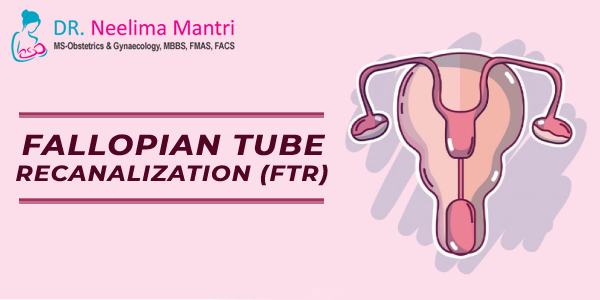
For a woman to get pregnant, the sperm needs to meet the egg. But what if the tube known as the fallopian tube, which helps in carrying the woman’s egg to her uterus, is blocked? That is when the problem of getting pregnant arises because the process of fertilization will not take place. That is when a fallopian tube recanalization is needed.
What are the fallopian tubes?
Every month, a woman’s ovary releases an egg that travels down to the uterus where, if the egg meets the sperm and is fertilized, a baby will grow. This egg travels from the ovary to the uterus with the help of tubes known as the fallopian tubes. The sperm travels to the egg with the help of the fallopian tubes. These tubes play a very important role in the fertility of every woman.
What is fallopian tube recanalization?
Since the traveling of eggs is done with the help of the fallopian tubes every month, any kind of blockage in these tubes will lead to a very hard time getting pregnant. The chances of getting pregnant would come down to 0% altogether.
Causes for the blockage of a woman’s fallopian tubes can be a build-up of debris that is unwanted or scarring from surgery or a serious infection. That is when a woman needs to go to a doctor for a fallopian tube recanalization (FTR). It is a nonsurgical procedure that helps in clearing any kind of blockage in the fallopian tubes which plays a major role in the pregnancy of a woman.
What is the procedure?
The procedure does not take a lot of time and might be wrapped up within half an hour. The half an hour of the procedure includes getting the equipment ready, cleaning the patient’s skin, and unblocking the tubes. It is done under sterile conditions to avoid any kind of infection from getting developed. The procedure does not require needles or cuts. The steps are:
> A speculum is placed into the vagina and a catheter is passed into the uterus through the cervix.
> Then a liquid contrast agent is injected into the uterus with the help of the catheter.
> The doctor will then carefully examine the uterine cavity with the help of an X-ray camera.
> They will take out a picture of the patient’s uterus and fallopian tube.
> They will then determine if there is any kind of blockage in the fallopian tubes and if the blockage is only one or both of the tubes.
> The doctor will then insert a smaller catheter through the first catheter which was bigger, into the fallopian tubes. With the help of this, all the blockage will be cleared away.
Conclusion
If anybody living in Mumbai is looking for an Infertility Specialist In Mumbai, they need to get in touch with Dr Neelima Mantri as soon as possible, as she is currently the best Female infertility doctor in Mumbai. Dr Neelima Mantri helps her patients out with the best treatments and solutions.