by Dr Neelima Mantri | Feb 13, 2018 | Blog, Gynecologist
Pregnancy is the happiest moment in a woman life as she prepares for a life with a baby. Cravings for food and mood swings are the common occurrences in the pregnant phase. Back pain during pregnancy also accompanies it and growing uterus and hormonal changes are the reasons. Most pregnant women experience back pain, usually starting in the second half of pregnancy.
Causes of Back Pain During Pregnancy:
Weight Gain:
During pregnancy, women gain a sizeable amount of weight. The spine has to support the growing weight. The weight of the growing baby and uterus also puts pressure on the pelvis blood vessels and nerves in the pelvis and back.
Posture:
During pregnancy, the body posture changes without your notice. This results in the back pain.
Hormonal Changes:
The body releases the hormone called relaxin during the pregnancy that allows the ligaments in the pelvic area to relax. The hormone enables the joints to became looser for the delivery time. The same hormone also causes the ligaments that supports the spine to loosen, leading to back pain.
Muscle Separation:
With the Uterus expanding, wo parallel sheets of muscles (the rectal abdominis muscles), which run from the rib cage to the pubic bone, may separate along the centre seam. This will worsen the pain in the back.
Treatments Available to the Pregnant woman:
Unless the pregnant woman is suffering from chronic back pain, the back pain will disappear completely before you give birth. There are low intensive methods to remedy the back pain.
Exercise:
Exercise is an absolute need in dealing with discomforts. Strengthens muscles and boosts flexibility. It eases the stress on the spine while walking, swimming, and stationary cycling is recommended. Your doctor can help you on how to Rid Back Pain in Pregnancy with ease.
Posture Changes:
Over the years, doctors have emphasised the need for a good posture for everyone to maintain the perfect spine alignment. Slouching strains your spine. So using proper posture when working, sitting, or sleeping is a good move. Take a support belt to augment your body shape.
Counselling:
If back pain is related to stress, talking to a counsellor or a therapist may be useful.
Acupuncture:
Acupuncture can be effective in relieving low back pain during pregnancy. Consult your doctor about the practise before embarking on it.
Back pain, by itself, usually is not a reason to call the doctor immediately but if it prolongs and leads to severe pain and cramps, time to call the doctor. Dr Neelima Mantri one of the Best Laparoscopic Surgeon in Mumbai helps the pregnant woman overcome the rigors of pregnancy with helpful tips and advice.

by Dr Neelima Mantri | Feb 13, 2018 | Blog, Gynecologist
Premenstrual Problem is a condition that affects a women’s emotion, physical health, and behavior during that days of the menstrual cycle, basically just before her menses. It is a very common condition. Because its symptoms affect up to 85 percent of menstruating women. This problem is eliminated by proper treatment. Dr. Neelima gives the best Premenstrual problem Treatment Mumbai. She is the best Doctor for Menstrual problems.
Basically, Premenstrual syndromes start five to eleven days before menstruation and typically go away once menstruation begins. There are many researchers believe that it related to a change in box sex hormone and serotonin level at the beginning of the menstrual cycle.
The cause of this problem seems to be related to the fluctuating levels of hormones, including estrogen and progesterone that occur in preparation for menstruation. There are many symptoms and severity of symptoms varies from woman to woman.
In additions, the severity of the symptoms can vary from each month. In this common symptoms are bloating, weight gain, aggression, headache, backache, mood swings and depression. There is up to 85% of menstruating women experience some of these symptoms during their periods.
There are several factors that may be contributing to the conditions like cyclic changes in hormones. A signs and symptoms of premenstrual syndrome change with hormonal fluctuations and disappear with pregnancy and menopause.
Dr. Neelima Works on many successful cases. She works on various menstrual problems and disorders and gives you the best treatment. After getting treatment from her, you will notice a great change in yourself.
Most of the ladies adopt home remedies to eliminate these premenstrual problems. But from a professional point of view, if you are suffering from any of these problems, then you have to consult with the gynecologist. Dr. Neelima is a specialist in Premenstrual Problem Treatment Mumbai.
Book an appointment with Dr Neelima Mantri by calling her on given numbers.
Call @ +91-7045115577.

by Dr Neelima Mantri | Feb 6, 2018 | Blog, Female Gynaecologist
There is no greater joy than bring a child to the world. Pregnancy is a wonderful period of excitement, happiness and joy. Maintaining the overall fitness and wellness is critical during the pregnancy period. Good pregnancy workouts increase mood, improves sleep, and reduces aches and pains. Benefits of pregnancy workout is immense as it helps the woman be fit and healthy.
Benefits of Pregnancy Workouts:
Gestational Diabetes Avoided:
It comes with serious health risks; pregnancy workouts can reduce the risk of gestational diabetes.
Baby Weight Kept in Check:
Pregnancy workouts help you keep the baby weight in check despite the heavy diet you might be consuming.
Comfort Level:
With pregnancy workouts, even as light as walking, one can increase blood circulation, and thus help flush away fluids.
The best bit is that you can get all the benefits of exercise during pregnancy if you follow the Pregnancy Health Tips of the Best Gynaecologist in Mumbai. The goal of the pregnancy workouts is to keep yourself fit without harming the baby. The following pregnancy workouts are usually advised for most moms-to-be, each coming with their own added benefits. Consult your doctor for further advice and tips on the safe process of work outs.
Yoga
It helps the expectant mothers to be relaxed and breathe deeply. This would help in the future as expectant mothers would be prepared for the rigors of labour, birth and parenthood. Prenatal yoga significantly lowers the chance of pregnancy complications, your pain and stress levels. With a support group of fellow expectant mothers doing prenatal yoga, you would have a community giving you emotional support and help.
Swimming
Water activities like swimming, water aerobics or even pool running can get your heart pumping with the cooling water reduces discomfort. The pressure of the water eliminates water retention in your body. Sore joints are often remedied with extra time spent in the pool.
Pilates
Pilates is a pregnancy workout for every trimester without doubt. Stamina building is the absolute advantage of Pilates. Pilates featuring kegel exercises during pregnancy can lead to a better controlled bladder for post-baby period.
Cardio
Walking is a great cardio exercises. Just take a walk across the neighbourhood or a little walking trip to the ice cream store for the ice cream you were craving. Three 10- to 15-minutes walks can be accomplished in a small time with utmost ease.
There are numerous pregnancy workouts to do as you savour every moment of pregnancy. You can opt for any or you can consult Dr Neelima Mantri in Mumbai. Doctors can guide you through the workouts procedure and help you become fit as you await the delivery of a healthy child.
by Dr Neelima Mantri | Jan 25, 2018 | Blog, Female Gynaecologist
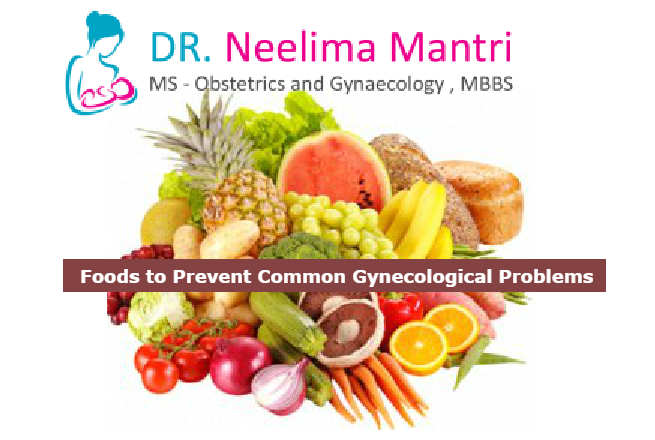
Food is the essence of life and it often acts as a life saver in many cases. Diet forms a crucial part of our lives and a good nutrition is an essential part of our lives. Similarly, a good nutrition plan imbibed with the right food is the first step towards eliminating Gynecological problems. A regular intake of a balanced diet would help woman have a good reproductive health.
Whole Grains:
The regular consumption of whole grains can cut the risk of breast cancer by regulating the level of estrogen in the blood. They are also a rich source of iodine which is beneficial in stimulating the pituitary gland. The hormones released by the gland helps in the easy maturity and release of eggs.
Calcium:
Calcium-rich foods such as milk and yogurt help prevent ovarian diseases and control the growth of cancer cells.
Bananas:
Bananas is rich in vitamin B6 that can effectively stabilize nerves and ease pain during menstruation.
Vegetables and Fruits:
Red fruits and vegetables contain phytochemicals inhibits the growth of gynecological tumor cells while reducing their responsiveness to estrogen.
An Overview of PCOS:
Polycystic ovary syndrome (PCOS) is a hormonal disorder common among women of reproductive age. Women suffering from PCOS may suffer from infrequent menstruation cycle or excess male hormones. Early diagnosis and treatment along with weight loss may reduce the risk of long-term complications such as type 2 diabetes and heart disease. To combat this, one needs to be proactive about their health. Consult Infertility Specialist in Mumbai in regards to finding the best PCOS Treatment India. While the natural remedies often help the woman in combating gynecological problems, it would be good to consult the Dr. Neelima Mantri one of the Best Female Gynecologist Mumbai.
by Dr Neelima Mantri | Jan 18, 2018 | Blog, Breastfeeding
Pregnancy is one of the positive time of a woman life. As a nursing mother, plenty of questions and answers are to be addressed and resolved for the pregnant women. Pregnant woman is duly concern is of every parent worried about the little one’s growth and health and addressing is a priority is a concern on everyone’s mind. Best Foods to Increase Breast Milk is to be identified is critical to a good nursing life for the newly born child. One of the most important questions that nursing moms have is what to eat during the feeding months that will ensure a good supply of milk. Finding the best foods to Increase Breast Milk Quickly that increases the breast milk supply is quite important for expectant mother.
- Fenugreek or Methi Seeds: fenugreek seeds have galactogogues, which help in breast milk production in mothers postpartum. New mothers are suggested by doctors to include fenugreek in their diet to improve their milk production for the same reason.
- Fennel Seeds or Saunf: Like fenugreek, fennel seeds are also thought be effective in boosting breast milk production. Regular use of fennel seeds helps in reducing bloating and improve digestion too.
- Cumin Seeds: It has an ability to aid in digestion, improve immunity & lactation.
- Oatmeal: Oatmeal is fantastic for building and maintaining your milk supply. oatmeal reduces cholesterol and can aid blood pressure regulation.
- Garlic: Garlic has been used for centuries by mothers to increase the milk supply and boosts the milk supply. A modern bonus for moms who don’t like garlic: garlic pills are commercially available and are said to have no taste for mothers who dislike the garlic taste.
- Carrots: Carrots are full of beta-carotene essential for the expectant mothers requiring lactating food. Carrots are a healthy source of carbohydrates and will boost your potassium, too.
- Nuts: A snack that is quite beneficial for the expectant mother and will them get over the need for the lactating food. Cashews, almonds, and macadamia nuts are the most popular choices for giving your milk a boost.
- Green Papaya: Green papaya is a traditional galactagogue and a big help for the expectant mother. You can have it as a salad or try steaming it or stir frying. Any method of consumption would be beneficial for the mothers.
A proper dietary consumption is the need of the hour and a good consultation with a leading doctor like Dr Neelima Mantri who is one of the Best Lady Gynaecologist in Mumbai will be helpful. Taking care of the needs of the unborn child often lies at top of the list for expectant mothers. Dietary foods such as above will help in augmenting the breast supply during pregnancy.