by Dr Neelima Mantri | Apr 10, 2025 | Blog, Female Gynaecologist
Many individuals undergoing surgery related to reproductive organs often wonder about their chances of conceiving in the future. Whether it’s a procedure for fibroids, endometriosis, ovarian cysts, or even a caesarean section, surgery can raise concerns about long-term fertility. The good news is that many people do go on to have successful pregnancies after surgery.
However, it depends on several factors including the type of surgery, the condition being treated, and individual reproductive health. Knowledge of how surgery affects fertility is useful in managing expectations and finding the best way toward conception.
Types of Surgeries That Affect Fertility
It is important to note that not all surgeries are equal in terms of their effects on the reproductive health of women. Some of the minor surgeries like diagnostic laparoscopy or removal of cysts that are small in size may not cause much impact. However, surgeries that involve the uterus, fallopian tubes, or ovaries are likely to affect fertility in some way.
For instance, operations that involve the cutting out of fibroids (myomectomy) can enhance fertility if the fibroids are hindering implantation. However, if the surgery leads to scarring or makes the wall of the uterus thin, then it may be dangerous during subsequent pregnancies. Likewise, surgeries on the fallopian tubes may enhance the possibility of natural conception, but at the same time may lead to blockage or harm in the event of surgery.
How Surgery Can Affect Reproductive Function
Surgery can have an impact on fertility positively or negatively. It is often done to fix an issue that was causing infertility in the first instance. Surgery may help in clearing blockages, treating infections, or correcting organ dysfunction, which may enhance fertility.
Nevertheless, there is a possibility of forming scar tissue, called adhesions, which may alter the mobility and function of reproductive organs. If the adhesions develop around the fallopian tubes or ovaries, they can block the release of eggs or prevent fertilisation. In such circumstances, it is advisable to consult an infertility doctor in Mumbai to determine the severity of the problem and the available fertility-friendly measures.
When to Try for Pregnancy After Surgery
It is therefore important to know when to attempt conception after surgery. The body requires time to heal before it is ready to carry a pregnancy, as it is a delicate process. In general, it is advised that women should wait for a few months after the surgery to attempt to conceive, especially if the surgery is complex or if the area of the body that was operated on is related to conception.
A complete check may be carried out to check on the functioning of the uterus, ovaries, and other related organs. The hormone levels, ovulation cycles, and general reproductive health are checked before one is cleared to start trying for pregnancy. Any woman who is planning for pregnancy after surgery should seek the services of the best gynaecologist in Mumbai to advise on the best post-surgery fertility plan that will suit the woman.
Fertility Support and Specialist Care
If conception does not take place after several months of trying, it is advisable to seek a fertility assessment. This may involve blood tests, ultrasound, and in some cases other tests to check on the quality of the eggs, ovulation, and the reproductive organs.
In such cases, consultation with the best obstetrician in Mumbai or fertility specialists can help clear the confusion. If natural methods do not help to conceive, other options like ART, hormone therapy, or surgery to fix complications arising from previous surgery may be used.
Fertility after surgery is a process that is unique to every woman. Some women get pregnant without any help after surgery, while others may need some assistance. In this way, the procedures that affect reproductive health can be better understood.
Moreover, with the help of the best gynaecologist in Mumbai or an infertility specialist in Mumbai, one can make the right decision about having a baby. It is, however, important to note that pregnancy after surgery is not only possible but can be quite successful if the woman takes good care of herself and is patient.
Pregnancy After Reproductive Surgery
Surgery involving the reproductive organs can raise many questions about future fertility. Most patients want clear answers. Can they get pregnant again? Is there a waiting period after surgery? Will they need assisted reproductive treatments? The concerns are valid!
Surgery may address medical issues, but its effect on fertility depends on several factors, like the complexity of surgery and the patient’s overall reproductive health. Join us as we analyse how different types of gynaecological surgeries influence fertility and what steps may help in
planning a pregnancy afterward.
Fertility After Fibroid Removal Surgery:
Fibroids are common growths in the uterus. In some cases, they cause pain, heavy bleeding, or interfere with conception. Surgical removal of fibroids is known as myomectomy. The surgery is usually performed when fibroids affect the shape of the uterus [or block the fallopian tubes].
Many women conceive successfully after fibroid surgery. The outcome depends on where the fibroids were located and how much of the uterine wall was involved. Recovery time is important. The uterus must heal properly before it can carry a pregnancy. Patients are usually advised to wait for a few months. During this time, the uterine lining regains strength. In most cases, fertility improves once normal anatomy is restored.
Chances Of Pregnancy After Ovarian Cyst Surgery:
Ovarian cysts can form for several reasons. Most are harmless. Some, however, grow large or become painful. If a cyst does not resolve on its own, surgery may be recommended. When only the cyst is removed and the ovary is preserved, the impact on fertility is low. But if part of the ovary has to be removed, the number of available eggs may decrease.
This is called a drop in ovarian reserve. After recovery, many women ovulate normally and can conceive without assistance. Others may benefit from fertility testing. If the ovarian function is affected, early planning becomes important.
Fertility After Endometriosis Surgery
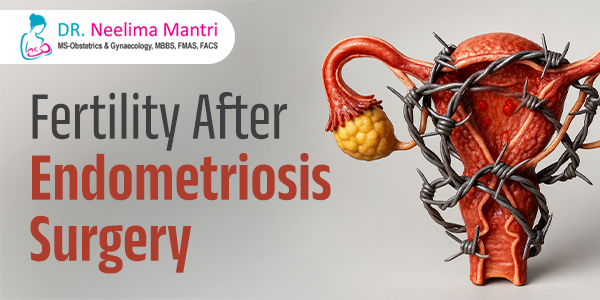
Endometriosis is experienced when tissue similar to the uterine lining grows outside the uterus. It often causes pain and can interfere with fertility. Surgical treatment helps remove the abnormal tissue and clear adhesions.
For mild or moderate endometriosis, surgery can improve the chances of natural conception. In severe cases, where organs are stuck together, results vary. The goal of surgery is to restore pelvic anatomy. Even after surgery, ongoing management may be needed. Pain relief does not always mean fertility improvement. That is why regular follow-up is essential.
Fertility Recovery Post-Surgery:
After any reproductive surgery, the body needs time to recover. The uterus, ovaries, or tubes must regain normal function. Doctors usually advise waiting before trying to conceive. This period allows healing and reduces the risk of complications.
Blood tests and scans may be used to check recovery. Some women may need support from the best gynaecologist in Mumbai or a specialist who can guide them through the next steps. Fertility outcomes are better when surgery is followed by the right medical advice.
Fertility Specialist Mumbai
Each patient has a unique recovery journey. Seeing the best obstetrician in Mumbai can help assess readiness for pregnancy. Patients who face delays should consult the best lady gynaecologist in Mumbai, such as Dr Neelima Mantri, for further evaluation.
If natural conception does not occur, an infertility specialist in Mumbai may suggest fertility preservation or assisted treatments. These options depend on how the surgery has affected egg reserve, fallopian tubes, or uterine lining.
Pregnancy after reproductive surgery is possible, but planning matters. With the right treatment and follow-up, many patients go on to have healthy pregnancies. Timing, testing, and medical support make all the difference.

by Dr Neelima Mantri | Jun 22, 2023 | Blog, High Risk Pregnancy
An uncommon but possibly fatal condition that can happen during pregnancy or delivery is uterine rupture. It describes the ripping or splitting of the uterine wall, which might cause serious bleeding and put both the mother and the unborn child in jeopardy. During pregnancy, the uterus, a muscular organ, takes care of and defends the developing foetus.
The uterine wall is durable and sturdy under normal conditions. Healthcare providers and expectant moms must understand the risk factors, symptoms, and proper management of uterine rupture to provide prompt and efficient care during childbirth.
Causes
- Previous uterine surgery: Compared to women with an intact uterus, women withprevious uterine operations, such as caesarean sections (C-sections) or myomectomy (removal of fibroids), are at a greater risk of uterine rupture.
- Uterine overdistention: The risk of rupture rises when the uterus is overextended or overly strained. Multiple pregnancies, polyhydramnios (high amniotic fluid), and macrosomia (a huge fetus) are situations where this might happen.
- Augmentation of labour: Utilising some drugs, like oxytocin, to hasten or intensify labour contractions might raise the risk of uterine rupture, particularly if contractions are too frequent, strong, or protracted.
- Uterine anomalies: The uterus’ structural abnormalities, such as a uterine septum or a bicornuate uterus (a uterus with a heart-like shape), might put a woman at risk for uterine rupture.
Symptoms
- Sudden, strong abdominal pain: As per top gynecologists in Mumbai, women occasionally feel sharp, sudden stomach pain that may be localised or generalised. Sharp, stabbing or ripping pain can be either persistent or sporadic.
- Foetal heart rate changes: The foetal heart rate may vary if the rupture damages the placenta or impairs the blood supply to the foetus. The infant’s heart rate can changeor exhibit indications of distress, such as pauses or bradycardia (slow heart rate).
- Vaginal bleeding: Uterine rupture can cause vaginal bleeding, ranging in intensity from little spotting to substantial bleeding. In addition to bleeding, tissue or clots may travel through the wound.
Treatment
- Emergency caesarean delivery: To deliver the baby as soon as practicable after a uterine rupture, an emergency cesarean section is frequently done. This is done to protect the unborn child and minimise any damage to the uterus. The mother’s and baby’s health will play a role when cesarean delivery is performed.
- Repair of the uterine rupture: The uterine rupture is surgically fixed after the baby is delivered. The size and location of the rupture will determine how much mending is necessary.
- Blood transfusion: Cesarean blood transfusions may be performed to compensatefor lost blood and maintain the mother’s hemodynamic state after a uterine rupture, which can cause severe bleeding. To maintain blood pressure to prevent shock, intravenous fluids and medications may also be given.
In Mumbai, India, there is a renowned gynecologist named Dr. Neelima Mantri. She has made a name for herself as an established member of the community of lady gynecologists in Mumbai with extensive knowledge of gynecology. Do consider consulting her for your gynecology concerns.

by Dr Neelima Mantri | Mar 28, 2023 | Blog, Women Health Issues
A short luteal phase is a common condition that affects many women who are trying to conceive. It occurs when the time between ovulation and menstruation is less than 10 days, which can make it difficult for a fertilized egg to implant and develop into a pregnancy.
In this article, we will discuss the causes, symptoms, and treatment options for a short luteal phase and how the best gynaecologist in Mumbai can help you to overcome this medical condition.
Causes of Short Luteal Phase
Numerous elements may reason for a brief luteal phase. Some of the causes include: Hormonal imbalances:
- A hormonal imbalance can affect the menstrual cycle and disrupt the ovulation process, leading to a short luteal phase.
- Stress: High levels of stress can interfere with the body’s hormone production and affect the menstrual cycle.
- Low body weight: Women with low body weight may have irregular menstrual cycles and a short luteal phase.
- Polycystic ovary syndrome (PCOS): PCOS is a common condition that can cause hormonal imbalances and affect the menstrual cycle.
Symptoms of Short Luteal Phase
The symptoms of a short luteal phase can vary from woman to woman. Some of the most common symptoms include:
- Menstrual cramps: Women with a short luteal phase may experience painful menstrual cramps.
- Spotting: Spotting between periods is a common symptom of a short luteal phase.
- Difficulty getting pregnant: A short luteal phase can make it difficult for women to conceive, leading to infertility.
Treatment Options for Short Luteal Phase
There are several treatment options for a short luteal phase. Some of the remedies include Hormone therapy:
- Hormone therapy can help regulate the menstrual cycle and increase the length of the luteal phase.
- Fertility drugs: Fertility drugs such as Clomid can stimulate ovulation and increase the chances of pregnancy.
- Lifestyle changes: Making lifestyle changes such as reducing stress, maintaining a healthy weight, and avoiding smoking can improve fertility and increase the length of the luteal phase.
How the Best Gynecologist in Mumbai Can Help
Choosing the best gynecologist in Mumbai is crucial when dealing with fertility issues such as a short luteal phase. The right gynecologist can provide expert advice and treatment options to help you conceive and have a healthy pregnancy.
Dr. Neelima Mantri is one of the top gynecologists and infertility specialists in Mumbai. With over two decades of experience in treating infertility and related issues, Dr. Mantri has a proven track record of success.
She is known for her expertise in minimally invasive gynecological surgeries, reproductive medicine, and high-risk pregnancies. Dr. Mantri is also one of the best infertility specialists in Mumbai, with a high success rate in treating infertility and related issues.
A short luteal phase can be a frustrating and challenging condition for women trying to conceive. However, with the right treatment and guidance from the best gynecologist in India, it is possible to overcome this condition and have a healthy pregnancy.
Dr. Neelima Mantri is a top gynaecologist in Mumbai who can provide expert advice and treatment options for a short luteal phase. To know more about her expertise and services, visit her official website.

by Dr Neelima Mantri | Feb 6, 2023 | Blog, Gynecologist
Even the healthiest of women tend to suffer from stuffy noses that don’t seem to go away. If you are a woman reading this then know that stuffing noses and larges are common during pregnancy. But why do they happen and how to tackle them when they tend to harshly interfere with the sleep cycle and daily life?
We asked the leading gynaecologist in Mumbai, Dr Neelima Mantri about the stuffy nose during pregnancy. With her input, we answered all the common questions about this topic in today’s blog here. Read to know the answers:
Why stuffy nose is severe during pregnancy?
A stuffy nose occurs in almost 50% of the cases and it tends to spoil the sleep cycle in 100% of the cases. It usually starts between 2-7 months and becomes severe as the woman approaches the due date.
“We often believe a stuffy nose to be a sign of sickness and pregnant women fret at the thought of its impact on the baby. But a stuffy nose is not a sign of sickness but a symptom of a common condition called Pregnancy Rhinitis.”, says a lady gynaecologist in Mumbai, Dr Neelima Mantri.
Pregnancy Rhinitis – Cause of Stuffy Nose:
Pregnancy rhinitis is an inflammation of mucous membranes present in the nose linings. This inflammation also coincides with the enlargement of nasal veins and increased blood flow to the nasal passages and this results in full-blown cold-like symptoms which doesn’t seem to go away.
People who are often affected by allergies caused by pollen, fungi, moulds, dust mites, pets, and cockroaches also suffer from this condition. Smoking also tends to increase the risk of Pregnancy Rhinitis. High levels of estrogen, high fluid levels in the body, and elevated secretion of human growth hormone during pregnancy are also found to be the potential causes of Pregnancy Rhinitis, according to the gynaecologist in Mumbai Dr Neelima Mantri.
Symptoms of Pregnancy Rhinitis:
Symptoms of Pregnancy Rhinitis are similar to that of hay fever and they include running or congested nose, sneezing, and itchy or watery eyes. Since Pregnancy Rhinitis is not cold, it is not caused by bacterial or viral infection so it is not contagious.
Pregnancy Rhinitis: Treatment for a stuffy nose during pregnancy:
Since most of the symptoms of pregnancy rhinitis overlap with other conditions like hay fever, cold and other infections, the first in the treatment of pregnancy rhinitis is to identify whether it is the same condition or any other. After the condition is diagnosed right treatment is recommended based on the aetiology of the condition.
If the allergens are the cause of the condition, limiting the exposure is the first step towards treating pregnancy rhinitis. Nasal irrigation is often suggested to clear out air-borne allergens. Saline nasal sprays are also another way to relieve the symptoms. If the symptoms are persistent, each of them is managed individually with eye drops, antihistamines of medicated nasal spray.
“The stuffy nose and other symptoms may not directly impact the health of the baby. But the loss of sleep does impact the health of the pregnant woman which in turn can influence the health of the baby. So one must never ignore any condition that might impact one’s sleep cycle and general health. If you are pregnant woman suffering from a stuffy nose, water or itchy eyes and any other symptoms mentioned above we suggest you lady gynaecologist in Mumbai Dr Neelima Mantri as soon as possible.

by Dr Neelima Mantri | Mar 22, 2022 | Blog, Female Gynaecologist
In the case of some women, the vagina subconsciously or persistently contracts when engaging in vaginal penetration. Such contractions make coitus extremely difficult and very painful in some cases. Vaginismus doesn’t affect or interfere with a woman’s sexual arousal, it only hiders the process of vaginal penetration. Such disorders affect your mental and physical health and could also affect your relationships, it’s best to consult a gynecologist.
Types of Vaginismus:
There are two classifications of vaginismus, known as primary vaginismus and secondary vaginismus.
- Primary vaginismus: this refers to such a condition where vaginal penetration has never been achieved.
- Secondary vaginismus: referring to such a condition where vaginal penetration was achieved in the past but is no longer viable because of pain or other reasons.
In the case of women who are over their menopause, vaginismus can be seen very often as a lack of vaginal lubrication causes pain and duress when subjected to vaginal intercourse. In cases of extreme pain, it is advised to consult with a gynecologist and obstetrician.
Causes of Vaginismus
There are no set causes for vaginismus to occur, the condition is often linked to reasons such as:
- A history of trauma and sexual abuse in the patient
- Painful acts of intercourse in the past
- Emotional damage and rooted trauma
It is fairly common for some cases of vaginismus to have no clear reasons. For the doctor to make a diagnosis you will need to undergo some basic tests and will have to share the details of past sexual encounters and medical history.
Symptoms of Vaginismus:
Involuntary contraction of the vaginal tissue is the primary cause of vaginismus in females around the globe. The severity of the condition would differ from patient to patient. Moreover, the contraction of the vagina in all such cases makes intercourse extremely painful and stressful. Vaginismus cannot be voluntarily solved by the patient; the patient loses control over the contraction ability of their vaginas which leads to the condition.
Females diagnosed with vaginismus often complain about a stinging pain or a burning sensation when any object is inserted into the vagina. Other reasons such as mental fear of vaginal intercourse or decreased libido related to penetration are also the underlying conditions that lead to the condition developing in women.
It’s not necessary for women with vaginismus to not engage in sexual activities. Sexual pleasure can still be achieved and craved for while having vaginismus. Oral sex, masturbation, and massages are the ways through which orgasms can be achieved without engaging in vaginal penetration.
Final Overview
Dr Neelima Mantri is often regarded as one of the best gynecologist surgeons in India. With over a decade’s worth of experience under her belt, she is an extremely experienced and trained medical professional.
If you are suffering from vaginismus or haven’t been diagnosed yet but feel extreme pain while engaging in sexual activities. Book an appointment with the doctor who is appraised as one of the best female gynecologists in Mumbai. Early diagnosis and treatment can help alleviate your condition without complications.