by Dr Neelima Mantri | May 24, 2025 | Blog, Women Health Issues
Periods are a natural part of life for most women, but that doesn’t mean every cycle should be unpredictable, painful, or excessively heavy. When your monthly cycle suddenly shifts or becomes irregular, it might be tempting to dismiss it. But unusual periods can be your body’s way of signalling that something deeper is going on. If you’ve noticed changes in your cycle, it’s time to stop brushing it off and start paying attention.
What Counts as Abnormal Menstruation?
First of all, it is necessary to understand what the term ‘abnormal menstruation’ means. If your period is too close, too far apart, heavy, or painful, it is time to consult with a doctor. This category includes such symptoms as missed periods, light bleeding between two normal periods, or periods that are much heavier or lighter than usual. Sometimes the changes are temporary, but if they are persistent, then it is advisable to visit the best gynaecologist in Mumbai to know the reason behind it.
- Hormonal Imbalance
This is one of the causes of irregular periods that is quite prevalent among women. Hormones like estrogen and progesterone control your cycle. This balance can be affected by even minor changes resulting from stress, thyroid disorders, or other conditions such as PCOS. Most women are not aware that even stress can lead to a hormonal imbalance.
- Polycystic Ovary Syndrome (PCOS)
PCOS is a condition in which the ovaries produce more male hormones and usually develop many small cysts. It is one of the main causes of irregular menstrual periods and may lead to missed periods and fertility problems. In this case, it is possible to control the symptoms with proper diagnosis and treatment.
- Thyroid Disorders
Hyperthyroidism or hypothyroidism influences metabolism, but it also plays a significant role in menstrual health. Hypothyroidism may result in heavier and longer periods, while hyperthyroidism may cause lighter or absent periods. A specialist like Dr. Neelima Mantri, who is regarded as one of the best female gynaecologist in Mumbai, can help you with the right hormone tests and treatment.
- Fibroids or Polyps
Benign growths in the uterus can also lead to changes in the menstrual cycle, especially when there is heavy bleeding or cramping. These growths are more prevalent than most people would imagine and may not present any symptoms until they progress. These conditions should be imaged properly and detected early so that they can be managed well.
- Birth Control Changes
Yes, the changes in the cycle can be attributed to switching, starting, or stopping birth control. Some level of irregularity is normal, especially when there are changes in the use of contraceptives; however, if this persists, it is advisable to consult a doctor.
- Weight Fluctuations
Weight loss or gain causes hormonal changes and disrupts the normal cycles of the body. Eating disorders or excessive exercise may also lead to amenorrhea, which is when your body stops producing menstrual cycles altogether due to low fat levels that are not healthy for hormones.
- Perimenopause
For women in their 40s, changes in their menstrual cycle may be the first sign of perimenopause. It is normal to experience changes in the flow, frequency, and accompanying symptoms such as hot flashes, but it is always important to seek other causes beyond ageing.
Do not ignore the symptoms – seek professional assistance
It is important for you to know that your period is a sign of your reproductive and general health. When something is wrong, it is not just an annoyance; it is a sign that something is wrong with the body. To get a proper diagnosis, Dr Neelima Mantri is the best gynecologist in Mumbai.
She is one of the best female gynecologists in Mumbai, and she has vast experience in treating women with irregular periods and assisting them to regain control of their periods. Do not neglect your body’s signs—get the attention you need today.

by Dr Neelima Mantri | May 22, 2025 | Blog, Gynecologist
Tubal ligation is the surgical procedure for permanent birth control. It is a safe, common, and effective surgery where the fallopian tubes are blocked to prevent eggs from reaching the sperm. The surgery is performed under general anaesthetic, takes only 20-30 minutes, and women can go home the same day.
If you already have a basic idea about Tubal Ligation and are looking to improve your awareness about the post-procedure situation – the chance of complications, care, and the importance of recovery, then this blog is for you.
With inputs from the best lady gynaecologist in Mumbai, Dr. Neelima Mantri, we help you understand everything you need to know after tubal ligation surgery.
Tubal Ligation Surgery – Side Effects & Risk Factors
Tubal ligation surgery is performed using a laparoscope (a small camera inserted through a minor incision) or during a C-section or abdominal surgery. Though it is a simple and routine procedure, it requires precision and adequate post-operative care to ensure long-term success.
Neglecting post-surgical care (which most women are unaware of) can increase the risk of side effects or complications. The side effects can be immediate like blood clots, infection, shoulder pain, or back pain. Or they can be delayed side effects, like wound issues, menstrual irregularities, hormonal imbalances, pelvic pain, and even ectopic pregnancy.
That said, pre-existing medical conditions like diabetes, lung disease, heart issues, obesity, and previous abdominal or pelvic surgery can increase the risk of complications or side effects after tubal ligation. So, women undergoing tubal ligation must strictly follow and stick to a standard recovery plan to avoid these complications.
Recovery after Tubal Ligation Surgery: What Every Woman Should Know
Tubal ligation is typically performed with laparoscopy (mini-laparotomy), during C-section, or using hysteroscopy. Regardless of the procedure used, each tubal ligation involves surgical incisions that need time to heal properly and prevent infections.
Here is some key advice every gynaecologist gives patients for a successful recovery after tubal ligation surgery:
- Mild pain and cramping are common:Post-operative pain, some discomfort, and mild bloating are the most common symptoms after the surgery.
- Always monitor the signs of infection: Every surgical procedure carries the risk of infection. So, it’s important to ensure proper wound care by monitoring signs of infection like fever or redness.
- Avoid strenuous activity after the surgery:Strenuous activities involving heavy lifting should be completely avoided, as they increase the risk of pain or issues at the incision site.
- Allow the body to adjust to the routine naturally:Returning too quickly to regular activities increases the risk of complications. Since surgical manipulation and anaesthesia demand adequate recovery, we suggest women rest and slowly return to normal activities, says a gynaecologist in Mumbai, Dr. Neelima Mantri
- Detect problems early:After tubal ligation surgery, the recovery process must be carefully monitored for any unusual issues or complications. Women are advised to stay attentive to their bodies and contact a gynaecologist in case any signs like fever, heavy bleeding, or signs of infection develop.
Whether you are a woman looking for expert guidance on tubal ligation or you’ve already been through the procedure and are experiencing any of the symptoms mentioned above, we suggest you consult a gynaecologist immediately. If you are in Mumbai, Dr. Neelima Mantri is one of the top lady gynaecologists in Mumbai with an exceptional track record in guiding women to a safe and successful recovery after tubal ligation surgery.

by Dr Neelima Mantri | Apr 24, 2025 | Blog, Female Gynaecologist
When it comes to women’s health, cervical care often doesn’t get the attention it deserves—until there’s a problem. But what if just one test and one vaccine could help you avoid most of those problems altogether? Sounds simple, right? That’s where regular Pap smears and the HPV vaccine come in. These two tools are powerful, preventative steps that every woman should understand and embrace.
Understanding Cervical Health Starts with Awareness
The cervix is an important part of the female reproductive system. It is the starting point of life, and regrettably, it is also the place where infections and cancers can develop secretly. Most women do not have any symptoms of cervical infection at all, or the symptoms are not noticeable until the problem escalates. That is why preventive care is mandatory.
The Role of the Pap Smear Test
If you have ever asked yourself when is the best time to get a Pap smear test, the answer is that it is appropriate to start at the age of 21 and repeat the test every 3–5 years. A Pap smear is a test that is used to identify abnormal cells in the cervix before they develop into cancerous cells. It is fast, does not involve any form of incision, and can be the difference between life and death.
It is said to be uncomfortable by some, awkward by others, and simply not a priority for many women. But here is the reality: a few minutes of awkwardness are worth the relief of being asymptomatic or having a disease detected in its preliminary stages.
What About HPV?
HPV is one of the most common sexually transmitted diseases that can lead to cervical cancer. HPV is very common, and most women will be exposed to it at some point in their lifetime, but the infection usually goes away on its own. However, some of the strains are risky and may cause complications in the cervix.
The best age for HPV vaccine is between 9 and 14 years of age, preferably before the onset of the first sexual intercourse. However, it does not mean that if you are older, it is too late to do something. People up to the age of 26 years should also get the vaccine. It is a way of ensuring that you do not have to spend a lot of money on your health in the future.
Recognising Cervical Infection Symptoms
Most women ignore cervical infection symptoms as they assume it is normal to experience changes in their menstrual cycle or due to stress. However, any abnormal discharge, pelvic pain, pain during intercourse, or bleeding between the periods should not be overlooked. These could be early warning signs. Pay attention to your body; it has a way of communicating before a crisis occurs.
When Should You Get Tested?
Here are some quick tips if you are wondering the best time to get a Pap smear test:
- After three years of becoming sexually active
- For women in the age group of 21-29 years, the examination is conducted every three years.
- For women aged 30-65 years, a cervical smear test is recommended every five years in addition to the HPV test.
- After any abnormal bleeding or discharge
- As advised by your gynaecologist
Choosing the Right Care
It is always important to have the right doctor. Whether you are not sure whether a certain symptom is normal, it is time for your Pap smear, or you are wondering when you should get the HPV vaccine, consultation with the best lady gynaecologist in Mumbai will help to remove the fear and confusion.
A person who listens to you and shows that they care is something that is needed—because cervical care is not only medical, it is personal. Your health journey should be managed professionally and with understanding.
In Conclusion
Cervical health is not something that one should neglect. Pap smears, when to get vaccinated, and early signs of cervical infection are some of the most important aspects of every woman’s life.
If you are looking for a lady gynaecologist in Mumbai who is professional, empathetic, and experienced, then you should consult Dr. Neelima Mantri. It is time to stop waiting for the symptoms to appear. Let’s begin to lead the change – one test, one vaccine, one conversation at a time.

by Dr Neelima Mantri | Apr 17, 2025 | Blog, Gynecologist
The thyroid gland is a small gland, but it plays an essential role in the proper functioning of a woman’s body. This is a butterfly-shaped gland situated in the front of the neck and secretes hormones that affect almost all the organs of the body. These hormones are especially important in regulating metabolism, energy levels, and the reproductive system.
When the thyroid does not function properly, it can lead to menstruation problems and complications related to fertility. It is crucial to know the relationship between the thyroid and the female reproductive system so that any problems can be detected and treated on time.
The Role of the Thyroid in Female Reproduction
Thyroid hormones play a role in the regulation of the menstrual cycle and the secretion of reproductive hormones, including oestrogen and progesterone. If these hormones are imbalanced, the whole reproductive system may be thrown off balance as well. Hypothyroidism and hyperthyroidism can also affect ovulation and thus make it hard for women to conceive.
This is because even slight alterations in thyroid hormones can disrupt the ovulation cycle and its rhythm. For this reason, thyroid function is closely checked in women with fertility issues or irregular menstrual cycles.
Menstruation Problems Linked to Thyroid Imbalance
Thyroid disorders are common among women, and these women are likely to experience several menstruation complications depending on the state of their thyroid gland. Hypothyroidism may cause the periods to be heavy, long, and more often, while hyperthyroidism may cause light, short, or infrequent periods. Sometimes, women may have to endure amenorrhoea, which is a condition where there are no periods at all.
These irregularities can make it difficult to determine when the woman is most likely to conceive, which only adds to the challenges of conception. It also brings mood swings, fatigue, and weight changes, which are also very stressful to a woman’s physical and mental health. These symptoms are often associated with other illnesses, so it is important to perform thyroid tests to determine the cause of the irregular menstrual cycle.
Impact on Fertility and Conception
There is ample evidence in the literature that connects thyroid disorders with female infertility. This means that when the hormone levels are not balanced, ovulation may not take place in the normal cycle or may not occur at all. This can lower the chances of pregnancy even in otherwise healthy women.
In India, a large number of women undergo female infertility treatment in Mumbai, and thyroid disorders are the first to be diagnosed. Treating the thyroid may help to regulate the menstrual cycle and fertility in some cases, and pregnancy can be achieved without the use of assisted reproductive technologies.
Moreover, if thyroid disorders are not treated during pregnancy, it can be dangerous for both the mother and the foetus. This makes early diagnosis and management crucial not only for conception but also for a healthy pregnancy.
Seeking the Right Support
In cases of chronic irregular menstrual cycles or infertility, it is advisable to seek the services of a doctor who knows the relationship between thyroid and fertility. Most people start this process by consulting the best gynaecologist in Mumbai for infertility, where they are subjected to thyroid tests, hormonal tests, and counselling.
Treatment may involve the use of drugs to balance thyroid hormones, changes in diet, and tracking of menstrual and ovulation cycles. In some cases, other treatments or fertility treatments may be suggested depending on the degree of the problem.
The thyroid gland has a more crucial role in a woman’s fertility than many people are aware of. From menstrual issues to reproductive issues, hormonal imbalances can profoundly affect a woman.
This paper aims to highlight the signs of hormonal imbalance and the need for women to consult a doctor in order to address the issue and enhance the chances of conception. Treating thyroid disorders not only helps in fertility but also in the overall health of a woman.
How to Manage Hypothyroidism During Pregnancy?
Pregnancy places extra demands on the thyroid gland. This small organ in the neck produces hormones that support the brain, bones, and metabolism of the developing baby. When the thyroid does not produce enough hormones, the condition is known as hypothyroidism. During pregnancy, this can create risks for both mother and child. With timely treatment, most women go on to have healthy pregnancies and healthy babies.
Best Natural Remedies for Thyroid Hormone Imbalance
Natural methods can support thyroid function, but they are not a replacement for prescribed medication. During pregnancy, iodine intake becomes even more important. Iodised salt, dairy, and cooked seaweed may help support thyroid hormone production. Selenium and zinc from sources like sunflower seeds, fish, and legumes also contribute to thyroid stability.
Gentle yoga and breathing exercises may help manage stress [which sometimes affects thyroid function]. However, pregnant women should not take supplements or make major dietary changes without guidance. What helps one woman may not be safe for another. The goal is to support your health without putting your baby at risk.
Symptoms of Thyroid Disorders in Women Over 40
Thyroid issues become more common with age. Many women over 40 report unexplained tiredness, thinning hair, or irregular cycles. These symptoms are often dismissed as early signs of menopause. In some cases, the thyroid is the real cause.
Cold sensitivity, sluggishness, and dry skin are also common. If left untreated, low thyroid hormone levels can affect heart health, bone strength, and cognitive function. During pregnancy, the risks are even higher. Routine blood tests can detect problems early. Diagnosis is quick. The treatment is usually simple.
Impact of Thyroid Disease on Female Fertility
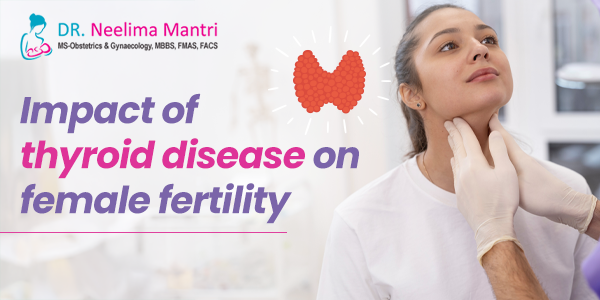
Thyroid hormones regulate ovulation. When levels are low, ovulation may not occur at all. This makes conception more difficult. Many women dealing with delayed cycles or unexpected bleeding patterns are later found to have thyroid disorders. Addressing these issues is part of modern fertility care.
Clinics offering female infertility treatment in Mumbai often include thyroid screening as part of their first consultation. When thyroid levels are corrected, many women see improvements in both their cycle and fertility [for some, this may be the missing link that allows pregnancy to occur].
Treatment Options for Hyperthyroidism and Weight Loss
Hyperthyroidism, the opposite of hypothyroidism, involves excess hormone production. It is less common during pregnancy but still a concern. Symptoms include weight loss, restlessness, palpitations, and heat intolerance.
In severe cases, it can lead to complications such as preterm labour or high blood pressure. Medication may be required. Surgery and radioactive iodine are avoided during pregnancy. A woman with hyperthyroidism must follow a strict plan. Monitoring is frequent. The goal is to keep hormone levels within a safe range for both mother and baby.
How Thyroid Affects Menstrual Cycles and Fertility
Hormonal balance plays a key role in reproductive health. Thyroid disorders can disruptovulation and menstruation. Some women experience long cycles. Others have frequentspotting or heavy bleeding. These patterns can make tracking fertility more difficult.
Clinics providing infertility treatment Mumbai see many women whose thyroid issues were missed earlier. If thyroid hormones are corrected, the body often returns to a more stable rhythm. Women looking for the best gynaecologist in Mumbai for infertility should ensure that thyroid tests are part of their evaluation. Fertility and thyroid care go hand in hand.
Managing hypothyroidism during pregnancy is not about fear. It is about awareness. Thyroid health should not be ignored [be it expecting or planning to conceive]. Early care prevents complications. Consistent monitoring ensures safety. Every pregnancy deserves the best start. And that begins with understanding your own body.

by Dr Neelima Mantri | Apr 10, 2025 | Blog, Female Gynaecologist
Many individuals undergoing surgery related to reproductive organs often wonder about their chances of conceiving in the future. Whether it’s a procedure for fibroids, endometriosis, ovarian cysts, or even a caesarean section, surgery can raise concerns about long-term fertility. The good news is that many people do go on to have successful pregnancies after surgery.
However, it depends on several factors including the type of surgery, the condition being treated, and individual reproductive health. Knowledge of how surgery affects fertility is useful in managing expectations and finding the best way toward conception.
Types of Surgeries That Affect Fertility
It is important to note that not all surgeries are equal in terms of their effects on the reproductive health of women. Some of the minor surgeries like diagnostic laparoscopy or removal of cysts that are small in size may not cause much impact. However, surgeries that involve the uterus, fallopian tubes, or ovaries are likely to affect fertility in some way.
For instance, operations that involve the cutting out of fibroids (myomectomy) can enhance fertility if the fibroids are hindering implantation. However, if the surgery leads to scarring or makes the wall of the uterus thin, then it may be dangerous during subsequent pregnancies. Likewise, surgeries on the fallopian tubes may enhance the possibility of natural conception, but at the same time may lead to blockage or harm in the event of surgery.
How Surgery Can Affect Reproductive Function
Surgery can have an impact on fertility positively or negatively. It is often done to fix an issue that was causing infertility in the first instance. Surgery may help in clearing blockages, treating infections, or correcting organ dysfunction, which may enhance fertility.
Nevertheless, there is a possibility of forming scar tissue, called adhesions, which may alter the mobility and function of reproductive organs. If the adhesions develop around the fallopian tubes or ovaries, they can block the release of eggs or prevent fertilisation. In such circumstances, it is advisable to consult an infertility doctor in Mumbai to determine the severity of the problem and the available fertility-friendly measures.
When to Try for Pregnancy After Surgery
It is therefore important to know when to attempt conception after surgery. The body requires time to heal before it is ready to carry a pregnancy, as it is a delicate process. In general, it is advised that women should wait for a few months after the surgery to attempt to conceive, especially if the surgery is complex or if the area of the body that was operated on is related to conception.
A complete check may be carried out to check on the functioning of the uterus, ovaries, and other related organs. The hormone levels, ovulation cycles, and general reproductive health are checked before one is cleared to start trying for pregnancy. Any woman who is planning for pregnancy after surgery should seek the services of the best gynaecologist in Mumbai to advise on the best post-surgery fertility plan that will suit the woman.
Fertility Support and Specialist Care
If conception does not take place after several months of trying, it is advisable to seek a fertility assessment. This may involve blood tests, ultrasound, and in some cases other tests to check on the quality of the eggs, ovulation, and the reproductive organs.
In such cases, consultation with the best obstetrician in Mumbai or fertility specialists can help clear the confusion. If natural methods do not help to conceive, other options like ART, hormone therapy, or surgery to fix complications arising from previous surgery may be used.
Fertility after surgery is a process that is unique to every woman. Some women get pregnant without any help after surgery, while others may need some assistance. In this way, the procedures that affect reproductive health can be better understood.
Moreover, with the help of the best gynaecologist in Mumbai or an infertility specialist in Mumbai, one can make the right decision about having a baby. It is, however, important to note that pregnancy after surgery is not only possible but can be quite successful if the woman takes good care of herself and is patient.
Pregnancy After Reproductive Surgery
Surgery involving the reproductive organs can raise many questions about future fertility. Most patients want clear answers. Can they get pregnant again? Is there a waiting period after surgery? Will they need assisted reproductive treatments? The concerns are valid!
Surgery may address medical issues, but its effect on fertility depends on several factors, like the complexity of surgery and the patient’s overall reproductive health. Join us as we analyse how different types of gynaecological surgeries influence fertility and what steps may help in
planning a pregnancy afterward.
Fertility After Fibroid Removal Surgery:
Fibroids are common growths in the uterus. In some cases, they cause pain, heavy bleeding, or interfere with conception. Surgical removal of fibroids is known as myomectomy. The surgery is usually performed when fibroids affect the shape of the uterus [or block the fallopian tubes].
Many women conceive successfully after fibroid surgery. The outcome depends on where the fibroids were located and how much of the uterine wall was involved. Recovery time is important. The uterus must heal properly before it can carry a pregnancy. Patients are usually advised to wait for a few months. During this time, the uterine lining regains strength. In most cases, fertility improves once normal anatomy is restored.
Chances Of Pregnancy After Ovarian Cyst Surgery:
Ovarian cysts can form for several reasons. Most are harmless. Some, however, grow large or become painful. If a cyst does not resolve on its own, surgery may be recommended. When only the cyst is removed and the ovary is preserved, the impact on fertility is low. But if part of the ovary has to be removed, the number of available eggs may decrease.
This is called a drop in ovarian reserve. After recovery, many women ovulate normally and can conceive without assistance. Others may benefit from fertility testing. If the ovarian function is affected, early planning becomes important.
Fertility After Endometriosis Surgery
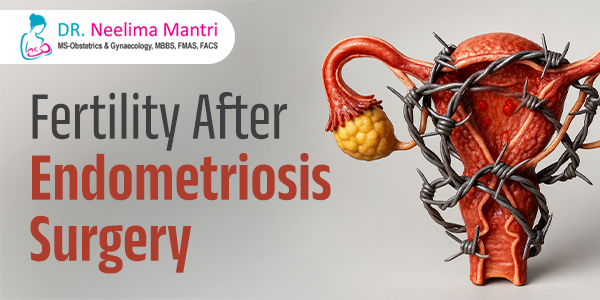
Endometriosis is experienced when tissue similar to the uterine lining grows outside the uterus. It often causes pain and can interfere with fertility. Surgical treatment helps remove the abnormal tissue and clear adhesions.
For mild or moderate endometriosis, surgery can improve the chances of natural conception. In severe cases, where organs are stuck together, results vary. The goal of surgery is to restore pelvic anatomy. Even after surgery, ongoing management may be needed. Pain relief does not always mean fertility improvement. That is why regular follow-up is essential.
Fertility Recovery Post-Surgery:
After any reproductive surgery, the body needs time to recover. The uterus, ovaries, or tubes must regain normal function. Doctors usually advise waiting before trying to conceive. This period allows healing and reduces the risk of complications.
Blood tests and scans may be used to check recovery. Some women may need support from the best gynaecologist in Mumbai or a specialist who can guide them through the next steps. Fertility outcomes are better when surgery is followed by the right medical advice.
Fertility Specialist Mumbai
Each patient has a unique recovery journey. Seeing the best obstetrician in Mumbai can help assess readiness for pregnancy. Patients who face delays should consult the best lady gynaecologist in Mumbai, such as Dr Neelima Mantri, for further evaluation.
If natural conception does not occur, an infertility specialist in Mumbai may suggest fertility preservation or assisted treatments. These options depend on how the surgery has affected egg reserve, fallopian tubes, or uterine lining.
Pregnancy after reproductive surgery is possible, but planning matters. With the right treatment and follow-up, many patients go on to have healthy pregnancies. Timing, testing, and medical support make all the difference.

by Dr Neelima Mantri | Mar 20, 2025 | Blog, Infertility Treatment
Infertile couples receive hope through the medical procedure known as in-vitro fertilisation (IVF). The success rate of IVF has increased through medical progress. However, physical preparation for IVF treatment plays a vital role for better fertility outcomes and smooth treatment progression. The body responds better to treatment and embryo implantation is more likely to succeed when patients properly prepare themselves for the process.
Seeking assistance from the best gynaecologist doctor in Mumbai allows individuals to gain complete information about the necessary health measures and lifestyle changes required for conception during IVF treatment. Here are the fundamentals of IVF treatment and effective tips that will help you to effectively prepare for the process.
Maintain a Healthy Diet
The nutrients consumed by a person influence fertility and reproductive wellness. Including necessary nutrients in your diet will enhance egg quality and stimulate hormone equilibrium. These are critical elements for successful IVF treatment.
Consuming food rich in antioxidants [like fruits, vegetables, and nuts] will protect eggs and sperm from damage. Your body can effectively produce hormones and enhance embryo transfer success rates if you eat healthy fats like avocados, olive oil, and nuts.
A reduction in processed foods, limiting sugar consumption, and caffeine intake positively affects reproductive health. Personalised dietary guidance for fertility should be considered by collaborating with fertility specialists and the best gynaecologist doctors in Mumbai.
Achieve a Healthy Weight
The success of IVF treatment depends on having an appropriate body weight. Weight management helps control reproductive hormone function. People with either underweight or overweight status encounter difficulties in the ovulation and implantation processes. Excessive weight stimulates hormonal problems and insulin resistance that interfere with egg maturation and embryo implantation.
Walking, swimming, and practising yoga at moderate intensities will assist weight control and improve blood flow to the reproductive organs. Too much exercise increases the risks of miscarriage as it disrupts hormone functions and prevents standard ovulation. Individuals should follow fitness plans under medical supervision to maintain their weight.
Manage Stress and Emotional Well-being
The complex nature of IVF treatment elevates emotional and physical strain, stimulating stress levels in patients. Therefore, patients must implement specific measures for mental preparation for IVF. Long-term stress creates problems for fertility as it distorts hormone levels and disrupts the menstrual period. Stress-reducing exercises like meditation, deep breathing, and mindfulness practice enable people to maintain emotional stability.
People can build positive mental states by participating in activities they enjoy, spending time with family members, and availing emotional care from therapists and IVF support groups. Controlling emotional health leads to better results from fertility treatments as the body responds better to IVF treatment.
Address Underlying Gynaecological Conditions
A person needs to eliminate any existing gynaecology problems, which could impact fertility before considering IVF treatment. Successfully implanting embryos and subsequent pregnancy results become challenging when patients have medical conditions like polycystic ovary syndrome (PCOS), endometriosis, fibroids, or infections present in their reproductive system.
The best gynaecologist doctor in Mumbai can diagnose and implement relevant treatment for reproductive health before they begin the IVF procedures. Doctors gain valuable reproductive insights by performing regular health check-ups with pelvic ultrasounds and hormonal assessments. These tests help identify necessary treatments that enhance IVF success rates.
Final Thoughts
Preparing your body for IVF involves a combination of lifestyle changes, medical assessments, and emotional well-being. Maintaining a balanced diet, achieving a healthy weight, managing stress, and addressing gynaecology problems can significantly improve the chances of a successful pregnancy. Consulting a best gynaecologist doctor in Mumbai ensures personalised guidance and medical support tailored to your specific fertility needs.
IVF is a journey that requires patience and commitment. By following these preparatory steps, you can create a healthier environment for embryo implantation and increase the likelihood of a successful outcome.