by Dr Neelima Mantri | Aug 15, 2026 | Blog, Laparoscopic Surgery
Mumbai is home to some of the best laparoscopic surgeons, obstetricians, and gynecologists in the country.
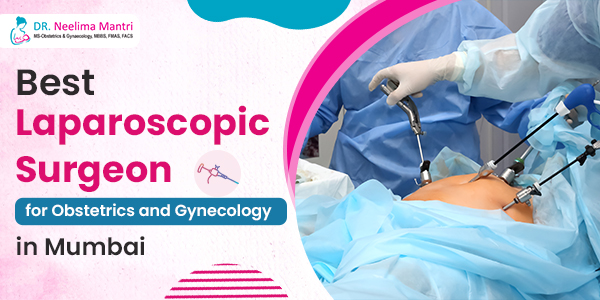
However, only a select few laparoscopic surgeons have built expertise across both obstetrics and gynecology while delivering successful laparoscopic outcomes. When we narrow the field further, there is only a super-small group of laparoscopic surgeons with more than 1,000 successful patient outcomes across these disciplines.
Dr. Neelima Mantri belongs to this elite group of laparoscopic surgeons in Mumbai who have been consistently delivering successful patient outcomes for more than two decades now.
So, how did Dr. Neelima Mantri earn her place among st the best laparoscopic Surgeons in Mumbai for obstetrics and gynecology? Here’s how:
1. The Master Surgeon Who Trained Other Specialists
Before establishing herself as one of Mumbai’s leading laparoscopic surgeons, Dr. Neelima Mantri was a professor, mentor, and master trainer for resident doctors specializing in obstetrics and gynecology.
Her exceptional skills and depth of clinical expertise found their right channel in training resident doctors in laparoscopic surgery at one of Mumbai’s top teaching hospitals, where she was also the go-to surgeon for challenging surgery cases in gynecology and obstetrics.
2. An Internationally Trained Expert in Minimally Invasive Surgery
Minimally invasive surgery, one of Dr. Neelima Mantri’s core specializations today, was built and strengthened through advanced laparoscopic training in South Korea and a Fellowship in Minimal Access Surgery (FMAS). This advanced international exposure in one of the most specialized areas of women’s healthcare paved her way to become the most successful gynecology surgeons in in Mumbai.
Today, she has successfully performed a wide range of laparoscopic procedures for both obstetric and gynecological conditions. Her advanced expertise in minimally invasive gynecological surgeries directly let hundreds of women access advanced care and helped them recover with less pain and reduced post-operative complications.
3. An Unmatched Experience in High-Risk Obstetrics
Assessing complex situations, anticipating complications, and making timely decisions to protect the health of both mother and baby in high-risk obstetrics is the zenith of obstetrics.
Dr. Neelima Mantri has been successfully managing thousands of high-risk obstetric cases for more than 20 years now – and she is one of the very few laparoscopic surgeons in Mumbai to do so.
5. Thousands of Successful Patient Outcomes Over Two Decades
As a laparoscopic surgeon, gynecologist, and obstetrician, Dr. Neelima Mantri is the trusted choice for many women seeking expert care for complex women’s health conditions. Her expertise and success are reflected in the number of consistently positive outcomes she has delivered over the last two decades.
Across High-Risk Pregnancy & Obstetrics, Infertility Management, Complex gynecological Disorders, Pelvic Health & Pain Management, and Preventive & Women’s Wellness Care, Dr. Neelima Mantri has successfully treated thousands of women over the past 20+ years. You can find a few of those testimonials here.
Dr. Neelima Mantri – The Best Laparoscopic Surgeon for Obstetrics and gynecology in Mumbai
Many doctors specialize in laparoscopic surgery, while others focus on obstetrics or gynecology. But only a select few in Mumbai combine advanced international laparoscopic expertise across both obstetrics and gynecology with extensive experience in high-risk obstetrics, and continue to deliver consistent success for more than 20 years – Dr Neelima Mantri is one of them. If you are looking for a trusted gynecologist in Vile Parle, Mumbai, you can consult her here.
by Dr Neelima Mantri | Jul 15, 2026 | Blog, Laparoscopic Surgery
Fertility problems are not always easy to explain. A woman may have regular periods, normal hormone reports and even a clear ultrasound, yet pregnancy may still not happen. In some cases, the reason lies deeper inside the pelvis. Small endometriosis patches, scar tissue, blocked tubes, or ovarian cysts may interfere with conception without showing up clearly during routine tests.
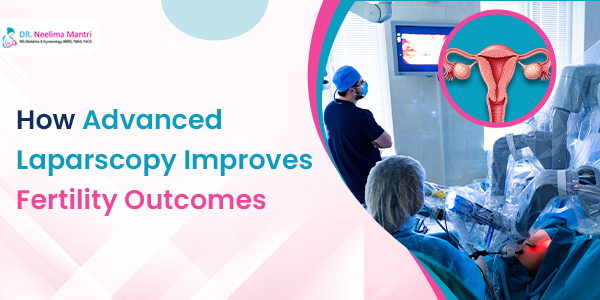
This is where advanced laparoscopy for fertility can make a difference. It gives the doctor a direct view of the uterus, ovaries, fallopian tubes, and nearby tissues. More importantly, the problem can often be treated during the same procedure.
When Routine Tests Fail To Provide The Full Picture
Ultrasound scans are conventionally useful (but they have limits). Minimal or mild endometriosis may remain hidden, especially when the lesions are small and spread across the pelvic lining.
Even these small patches can create inflammation. This may affect the movement of sperm, the release of the egg, fertilisation, or the attachment of the embryo. The fallopian tubes may appear open, but surrounding adhesions can still restrict their movement.
For women considering laparoscopic infertility treatment in Mumbai, laparoscopy can help identify concerns that other investigations may miss.
Diagnosis And Treatment Can Happen Together
Laparoscopy is not only a diagnostic procedure. Once the surgeon finds the cause, treatment may begin immediately.
Endometriosis lesions may be removed or treated. Scar tissue can be released. Selected ovarian cysts may be managed, and certain tubal problems can also be corrected. As the procedure is performed through small incisions, recovery is generally quicker than with traditional open surgery.
However, surgery should not be advised simply because pregnancy is delayed. The decision depends on symptoms, age, ovarian reserve, previous treatment, and how long the couple has been trying.
Does Laparoscopy Improve Pregnancy Chances?
Research shows that treating minimal or mild endometriosis may improve the chance of natural conception in selected women. Still, the benefit is not the same for everyone.
A younger woman with good ovarian reserve may be advised to try naturally for a few months after surgery. Another patient may need ovulation support, IUI, or IVF. This is why choosing the best gynecologist for infertility is not only about finding someone who performs surgery. The doctor must also know when surgery is useful and when another route may offer a better chance.
The Importance Of Precision For Fertility Surgery
The ovaries and fallopian tubes are delicate (and highly sensitive). Aggressive surgery may damage healthy tissue or reduce ovarian reserve. The purpose of laparoscopy is to treat the disease while protecting fertility.
Patients often search for the best laparoscopic surgeon in Mumbai because surgical experience plays an important role in this balance. Dr Neelima Mantri combines infertility evaluation with minimally invasive gynaecological surgery. Her approach focuses on understanding the actual cause before recommending a treatment plan.
The Right Treatment Is Different For Every Woman
Laparoscopy can improve fertility outcomes, but it is not a guaranteed route to pregnancy. It is most helpful when there is a clear reason to operate, such as endometriosis, adhesions, cysts or selected tubal concerns.
While searching for the best gynecologist in Mumbai, patients should look for personalised advice rather than a standard solution. Fertility treatment works better when the doctor considers the woman’s age, test results, symptoms, medical history, and future pregnancy plans together.
The real strength of advanced laparoscopy is not that it replaces every other fertility treatment. It helps uncover hidden problems, treat them carefully, and make the next step clearer.
by Dr Neelima Mantri | Apr 15, 2026 | Blog, Laparoscopic Surgery
Most people hear the word surgery and immediately think of long incisions, hospital stays, and a slow return to normal life. That image still exists, but it does not always apply anymore. Over time, newer methods have quietly changed how certain procedures are done, especially in women’s health.
That is where laparoscopy surgery for women starts to come into the conversation. It does not look like traditional surgery, and more importantly, it does not feel like it either.
What Laparoscopy Actually Means In Simple Terms
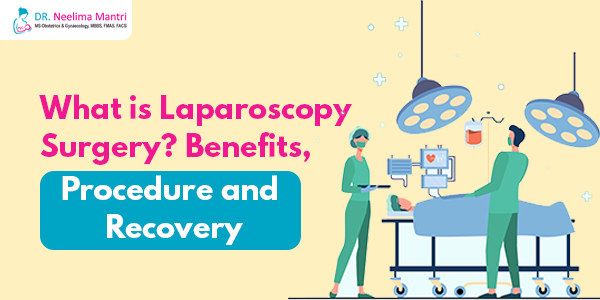
Instead of a large cut, this method uses very small openings. A thin instrument with a camera is inserted, which allows the doctor to see inside the body without opening it fully. That alone changes a lot about the experience.
For patients, the idea feels less intimidating once they understand how it works. For doctors, it allows more precision. A trained gynec laparoscopy specialist usually relies on this approach for several conditions that earlier needed more invasive methods.
Why Doctors Recommend It In Certain Cases
There is a reason this method is now preferred in many situations. It reduces strain on the body while still addressing the actual problem. That balance is what makes it useful.
It is commonly used for:
- Diagnosing internal conditions that are not visible through scans.
- Removing fibroids through laparoscopy for fibroids treatment.
- Managing chronic pelvic pain linked to laparoscopy for endometriosis.
- Supporting cases where laparoscopy for infertility treatmentis being considered.
- Treating ovarian cysts with minimal disruption.
- Handling ectopic pregnancies in a controlled way.
- Performing hysterectomy procedures without large incisions.
- Reducing recovery time compared to open surgery.
- Lowering the risk of visible scarring.
- Allowing quicker return to daily activities.
- Offering better visual clarity during surgery for the doctor.
Each of these points matters differently depending on the patient. That is why no two cases are handled exactly the same way.
How The Procedure Usually Feels From The Patient’s Side
Most patients are more anxious before the procedure than after. The process itself is done under anesthesia, so there is no pain during the surgery. What people notice more is the recovery phase.
There is some discomfort, but it is often manageable. Since the incisions are small, the body does not go through the same level of stress as traditional surgery. This is where experience plays a role. A skilled gynecologist laparoscopy specialist in Mumbai knows how to keep the procedure as smooth as possible.
Recovery Is Not Instant, But It Is Different
Recovery still requires care, but it usually feels more gradual than restrictive. Patients are often able to move within a day, which surprises many of them.
There are still precautions. Heavy lifting is avoided. Rest is important. But the timeline feels shorter. That difference is what makes many people consider this option when advised by the best gynecologist for laparoscopy surgery.
Where Decision Making Becomes Important
Not every condition needs surgery, and not every patient is suited for laparoscopy. This is where consultation becomes critical.
An experienced gynec laparoscopy specialist looks at symptoms, reports, and long-term outcomes before suggesting anything. It is not just about the procedure. It is about whether it actually helps the patient move forward.
Conclusion
Laparoscopy has today transformed the management of most of the gynecological conditions. It provides an option for handling problems without subjecting the body to unwarranted stress. Patients are given a personalised approach and treatment, and recovery is given equal importance under the guidance of Dr. Neelima Mantri.

by Dr Neelima Mantri | Jun 20, 2024 | Laparoscopic Surgery
Oophorectomy, the surgical removal of one or both ovaries, is a procedure that carries significant implications for women’s health and well-being. In this blog, we delve into the purpose behind oophorectomy, the surgical process involved, potential risks, and the recovery journey post-surgery.
Understanding the Purpose of Oophorectomy
Oophorectomy serves several purposes depending on the patient’s medical condition and needs:
- Treatment of Ovarian Conditions: Oophorectomy may be performed to treat ovarian cysts, tumors (benign or malignant), endometriosis, or ovarian torsion.
- Cancer Prevention or Treatment: In cases where there is a high risk of ovarian cancer or to prevent its spread, oophorectomy may be recommended as a preventive measure or part of cancer treatment.
- Hormonal Management: Oophorectomy can impact hormone production, making it a treatment option for conditions like hormone-sensitive cancers or severe hormonal imbalances.
- Reproductive Health Decisions: Some individuals opt for oophorectomy as part of family planning, especially if they have completed childbearing or wish to reduce cancer risks associated with certain genetic mutations.
The Oophorectomy Surgical Procedure
1. Preoperative Preparation
Before undergoing oophorectomy, patients undergo thorough preoperative assessments, including a medical history review, physical examination, and possibly imaging tests. Discussions about the procedure, its risks, benefits, and potential alternatives are also part of the preparation phase.
2. Anesthesia and Incision
Oophorectomy is typically performed under general anesthesia to ensure the patient is unconscious and pain-free during the surgery. The surgeon makes incisions in the abdomen, either through traditional open surgery or minimally invasive laparoscopic techniques.
3. Ovary Removal and Closure
During the procedure, the surgeon carefully removes the affected ovary or ovaries. If both ovaries are removed (bilateral oophorectomy), it induces menopause if the patient hasn’t reached it naturally. The incisions are then closed using sutures or surgical staples.
Risks Associated with Oophorectomy
While oophorectomy is generally safe, it carries potential risks and complications, including:
- Bleeding: Excessive bleeding during or after surgery.
- Infection: Risk of surgical site infection or pelvic infection.
- Adverse Reaction to Anesthesia: Complications related to anesthesia administration.
- Damage to Surrounding Structures: Rare instances of damage to nearby organs or blood vessels.
- Hormonal Changes: Menopause symptoms if both ovaries are removed, such as hot flashes, mood changes, and vaginal dryness.
Recovery Journey After Oophorectomy
The recovery period following oophorectomy varies based on the surgical approach, the patient’s overall health, and any underlying conditions. General guidelines for recovery include:
- Hospital Stay: The length of hospitalization varies but is typically shorter for minimally invasive procedures.
- Pain Management: Medications are prescribed to manage postoperative pain.
- Activity Restrictions: Patients are advised to avoid heavy lifting and strenuous activities initially.
- Follow-up Care: Scheduled follow-up appointments to monitor healing, discuss hormone replacement therapy if needed, and address any concerns.
Conclusion
Oophorectomy is a surgical procedure with diverse applications, from treating ovarian conditions to managing cancer risks and hormonal imbalances. While it offers potential benefits, patients should be aware of the associated risks and considerations, including the impact on reproductive health and hormonal balance.
For personalized guidance, comprehensive care, and expert surgical interventions related to oophorectomy and women’s health concerns, consult with a qualified gynecologist and laparoscopic surgeon in Mumbai like Dr. Neelima Mantri. With her expertise and dedication to patient well-being, Dr. Mantri ensures optimal outcomes and support throughout the oophorectomy journey.

by Dr Neelima Mantri | Jun 18, 2024 | Blog, Laparoscopic Surgery
Salpingectomy, the surgical removal of one or both fallopian tubes, is a procedure that holds significance in both medical treatment and family planning. This blog aims to provide a comprehensive overview of salpingectomy, including its purpose, the procedure itself, associated risks, and the recovery process.
Purpose of Salpingectomy
Salpingectomy serves various purposes depending on the patient’s condition and medical needs:
- Treatment of Ectopic Pregnancy:In cases where a fertilized egg implants outside the uterus, typically within a fallopian tube, a salpingectomy may be necessary to remove the affected tube and prevent life-threatening complications.
- Contraception:A salpingectomy is a permanent form of contraception for individuals seeking a reliable method to prevent pregnancy.
- Risk Reduction for Ovarian Cancer:Some individuals at high risk of ovarian cancer may opt for prophylactic salpingectomy to reduce their risk of developing it.
- Chronic Infections or Inflammatory Conditions:In certain cases of chronic infections or inflammatory conditions affecting the fallopian tubes, removal of the tubes through salpingectomy may be recommended.
The Salpingectomy Procedure
Before the procedure, the patient undergoes a thorough evaluation, including a medical history review, physical examination, and possibly imaging tests. Preoperative instructions typically include fasting for a specified period and discontinuing certain medications. Salpingectomy is performed under general anesthesia, ensuring the patient is unconscious and pain-free throughout the surgery.
Surgical Techniques
- Laparoscopic Salpingectomy: This minimally invasive approach involves making small incisions in the abdomen through which a laparoscope and surgical instruments are inserted. The surgeon visualizes the fallopian tubes on a monitor and carefully removes them.
- Open Salpingectomy: In cases where laparoscopic surgery is not feasible or appropriate, an open surgical approach may be chosen. This involves a larger incision in the abdomen to directly access and remove the fallopian tubes.
Following the procedure, the patient is monitored in a recovery area until fully awake and stable. Pain management, instructions for incision care, and potential activity restrictions are provided.
Risks and Complications
While salpingectomy is generally considered safe, like any surgical procedure, it carries potential risks and complications, including:
- Infection:Risk of surgical site infection or pelvic infection.
- Bleeding: Excessive bleeding during or after surgery.
- Damage to Surrounding Organs: Rare instances of damage to nearby structures such as blood vessels or intestines.
- Adverse Reaction to Anesthesia: Complications related to anesthesia administration.
- Formation of Scar Tissue:Adhesions may form in the abdomen post-surgery.
Recovery and Aftercare
The recovery period following a salpingectomy varies depending on the surgical approach and individual factors. General guidelines for recovery include:
- Pain Management: Medications are prescribed to manage postoperative pain.
- Rest and Activity:Adequate rest is essential initially, followed by gradual resumption of normal activities as advised by the healthcare provider.
- Incision Care: Keeping the incision site clean and following care instructions to prevent infection.
- Follow-up Appointments: Scheduled follow-up visits to monitor healing and address any concerns.
Final Overview
For expert guidance and personalized care regarding salpingectomy and other gynecological procedures, consider consulting Dr. Neelima Mantri, a highly experienced Obstetrician, Gynecologist, and one of the best Laparoscopic Surgeons in Mumbai.
With over a decade of experience, specialized training in High-Risk Obstetrics, and proficiency in minimal-access surgeries, Dr. Mantri ensures optimal outcomes and patient satisfaction. Trust Dr. Neelima Mantri for comprehensive women’s healthcare solutions tailored to your needs.

by Dr Neelima Mantri | Aug 22, 2023 | Blog, Laparoscopic Surgery
Ovarian Remnant Syndrome is a severe yet rare medical problem that can happen to women who have had surgery to remove either part of their ovary or both ovaries and fallopian tubes.
Given the fundamental role of the ovaries and fallopian tubes in reproduction, removal is prescribed only as a last resort. “These procedures are performed for the right reasons after weighing potential complications. Yet, in rare cases, Ovarian Remnant Syndrome may strike the women, causing a host of problems for them,” says Neelima Mantri, the leading female gynaecologist in Mumbai.
So, what makes Ovarian Remnant Syndrome dangerous, and how is it treated? Read on to know what gynaecologist Dr. Neelima Mantri has to say.
How Serious is Ovarian Remnant Syndrome?
Ovarian Remnant Syndrome happens when the small parts of the reproductive organs (ovaries or fallopian tubes) are left behind in the body. These leftover tiny bits of tissues may sometimes trigger abnormal hormonal activity, which triggers various health problems for women undergoing surgery. What makes Ovarian Remnant Syndrome dangerous is its ability to initiate and exacerbate a host of reproductive issues for women, which include:
Hormone Imbalances: The residual tissues may interfere with hormonal production, throwing off hormonal balance. The hormonal imbalance may lead to hot flashes, mood swings, irregular menstrual cycles, and other hormonal problems that dampen women’s quality of life.
Reproductive Problems: Hormonal problems are always associated with reproductive issues; in the case of ORS, they are more pronounced. According to gynaecologist Dr. Neelima Mantri, infertility and conception problems are rife in women who suffer from Ovarian Remnant Syndrome.
Chronic Pelvic Pain: Pelvic pain is often the first symptom experienced by women suffering from a possible syndrome. The pain can be continuous or sporadic and can happen during sex, urination, or bowel movements.
Endometriosis: Endometriosis is a serious condition where the endometrial tissue grows outside its intended location, i.e., the uterus. This abnormal allocation often contributes to pain and other reproductive problems, making it one of the primary causes of infertility. Ovarian Remnant Syndrome can further exacerbate the existing endometriosis condition or contribute to developing Endometriosis, making the complications worse.
Ovarian Remnant Syndrome Treatment in Mumbai:
“Patients who tend to suffer from Ovarian Remnant Syndrome usually have a history of pelvic adhesions or Endometriosis. In few cases, the ORS also results from inefficient surgery that leaves over the remnants of ovarian tissue,” says Dr. Neelima Mantri, the best laparoscopic surgeon in Mumbai with an impeccable track record in Ovarian Remnant Syndrome.
A laparoscopic surgery is performed to diagnose this condition adequately; once it is identified, the laparoscopic surgeon prescribes the right treatment course based on the severity of the disease. The treatment plan involves targeted laparoscopic surgery to clean up the residual tissue in the body. Women who have experienced symptoms like irregular menstruation, pelvic pain, painful intercourse, bowel movements, or urination must immediately consult the gynaecologist to evaluate their condition and cause.