by Dr Neelima Mantri | Jul 15, 2026 | Blog, Laparoscopic Surgery
Fertility problems are not always easy to explain. A woman may have regular periods, normal hormone reports and even a clear ultrasound, yet pregnancy may still not happen. In some cases, the reason lies deeper inside the pelvis. Small endometriosis patches, scar tissue, blocked tubes, or ovarian cysts may interfere with conception without showing up clearly during routine tests.
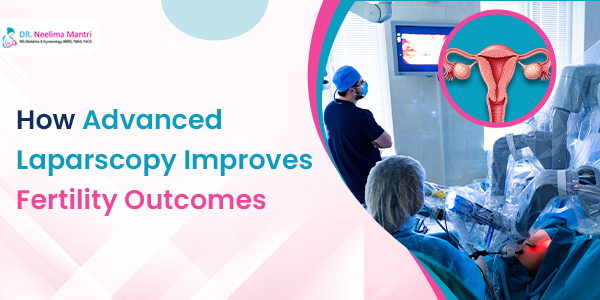
This is where advanced laparoscopy for fertility can make a difference. It gives the doctor a direct view of the uterus, ovaries, fallopian tubes, and nearby tissues. More importantly, the problem can often be treated during the same procedure.
When Routine Tests Fail To Provide The Full Picture
Ultrasound scans are conventionally useful (but they have limits). Minimal or mild endometriosis may remain hidden, especially when the lesions are small and spread across the pelvic lining.
Even these small patches can create inflammation. This may affect the movement of sperm, the release of the egg, fertilisation, or the attachment of the embryo. The fallopian tubes may appear open, but surrounding adhesions can still restrict their movement.
For women considering laparoscopic infertility treatment in Mumbai, laparoscopy can help identify concerns that other investigations may miss.
Diagnosis And Treatment Can Happen Together
Laparoscopy is not only a diagnostic procedure. Once the surgeon finds the cause, treatment may begin immediately.
Endometriosis lesions may be removed or treated. Scar tissue can be released. Selected ovarian cysts may be managed, and certain tubal problems can also be corrected. As the procedure is performed through small incisions, recovery is generally quicker than with traditional open surgery.
However, surgery should not be advised simply because pregnancy is delayed. The decision depends on symptoms, age, ovarian reserve, previous treatment, and how long the couple has been trying.
Does Laparoscopy Improve Pregnancy Chances?
Research shows that treating minimal or mild endometriosis may improve the chance of natural conception in selected women. Still, the benefit is not the same for everyone.
A younger woman with good ovarian reserve may be advised to try naturally for a few months after surgery. Another patient may need ovulation support, IUI, or IVF. This is why choosing the best gynecologist for infertility is not only about finding someone who performs surgery. The doctor must also know when surgery is useful and when another route may offer a better chance.
The Importance Of Precision For Fertility Surgery
The ovaries and fallopian tubes are delicate (and highly sensitive). Aggressive surgery may damage healthy tissue or reduce ovarian reserve. The purpose of laparoscopy is to treat the disease while protecting fertility.
Patients often search for the best laparoscopic surgeon in Mumbai because surgical experience plays an important role in this balance. Dr Neelima Mantri combines infertility evaluation with minimally invasive gynaecological surgery. Her approach focuses on understanding the actual cause before recommending a treatment plan.
The Right Treatment Is Different For Every Woman
Laparoscopy can improve fertility outcomes, but it is not a guaranteed route to pregnancy. It is most helpful when there is a clear reason to operate, such as endometriosis, adhesions, cysts or selected tubal concerns.
While searching for the best gynecologist in Mumbai, patients should look for personalised advice rather than a standard solution. Fertility treatment works better when the doctor considers the woman’s age, test results, symptoms, medical history, and future pregnancy plans together.
The real strength of advanced laparoscopy is not that it replaces every other fertility treatment. It helps uncover hidden problems, treat them carefully, and make the next step clearer.
by Dr Neelima Mantri | Jul 6, 2026 | Blog, Gynecologist
Every woman goes through different stages in life, and each one brings its own changes. One such stage is menopause. While many women know that menopause marks the end of their menstrual cycle, very few understand what really happens to the body during this phase. Is it normal to experience sudden mood swings? Why do hot flashes appear out of nowhere? Why does sleep become difficult even after a tiring day?
These are just a few of the questions that many women silently carry with them. Some believe these changes are simply a part of ageing and should be tolerated. Others hesitate to discuss them because they feel embarrassed or think nothing can be done.
The truth is quite different. With the right medical guidance, menopause can become a much smoother phase of life. This is exactly why Menopause Care plays such an important role. A qualified gynecologist can help identify your symptoms, explain what your body is going through and recommend suitable treatment options that match your needs.
What Menopause Really Means
Menopause is officially diagnosed when a woman has not had a menstrual period for twelve consecutive months. It usually occurs between the ages of 45 and 55, although the age can vary from one woman to another.
During this period, the ovaries gradually produce less oestrogen and progesterone. These hormonal changes affect much more than just the menstrual cycle. They can influence your physical health, emotional well-being, sleep, bone strength, heart health and even your confidence.
This is why menopause should never be viewed as a single event. It is a gradual process that deserves proper attention and care.
How a Gynecologist Supports You Throughout Menopause
Many women think a gynecologist is only needed during pregnancy or for menstrual concerns. In reality, menopause is another stage where specialised care becomes equally valuable. Understanding how a gynecologist helps with menopause symptoms can make women feel much more confident about seeking professional advice. A gynecologist may help by:
- Identifying the cause of your symptoms
- Recommending lifestyle changes that suit your health
- Advising suitable medications when required
- Discussing hormone therapy if appropriate
- Monitoring bone health and other long-term health concerns
- Scheduling regular health screenings for continued well-being
This personalised approach gives women the confidence to manage menopause comfortably instead of struggling through it alone.
When Should You Visit a Gynecologist?
The majority of women do not consult medical help until the symptoms become serious. It can be so much easier to visit before.
You may want to make an appointment in case of irregular menstrual cycles after your forties, hot flushes that persist, sleep disturbances, unusual vaginal bleeding, mood swings that impact your everyday life, or symptoms that last more than several months.
In case you are seeking Menopause Symptoms And Treatment In Mumbai, you had better refer to a competent specialist as soon as possible to understand what you can do and receive the treatment that will be determined by your individual health requirements.
Taking the First Step Towards Better Health
Menopause does not necessarily have to be a silent affair. It is a normal phase of life, but it does not mean that you should tolerate discomfort as a normal state. Through appropriate counseling, most of the symptoms can be dealt with effectively, and you can go on living a healthy and productive life.
When you need Menopause Care or when you need to find the Best Female Gynaecologist in Mumbai, you can consult Dr. Neelima Mantri and get caring guidance, personalised care and support at each phase of your menopause process.

by Dr Neelima Mantri | Jun 15, 2026 | Blog, Pregnancy Women
Most mothers spend a large part of their pregnancy waiting for milestones. The first heartbeat. The first kick. The first ultrasound. As the months pass, many also begin wondering whether their baby is growing and moving as expected.
One question often comes up during the later months of pregnancy. Is my baby in the right position for birth?
For many women, the answer is yes. The baby gradually settles into a head-down position before delivery. In some pregnancies, things happen differently. This is when doctors may discuss a condition known as a breech baby during pregnancy.
A Surprise Many Mothers Do Not Expect
Pregnancy brings enough surprises on its own. Learning that a baby is not positioned head-down can add another layer of concern.
The interesting thing is that many women do not notice anything unusual at first. They continue their daily routine and attend regular check-ups without realising that the baby may be positioned differently.
That is one reason routine antenatal visits remain so important.
What Exactly Is A Breech Position?
As delivery approaches, most babies naturally turn so that their head points towards the birth canal. This position usually supports a smoother delivery process.
A breech position in pregnancy occurs when the baby remains positioned with the buttocks or feet pointing downward instead of the head.
Hearing this diagnosis can sound worrying. In reality, many breech pregnancies are identified during routine examinations and monitored carefully by experienced doctors.
Many Mothers Ask The Same Question
One of the most common concerns is simple – How to know if a baby is breech? The answer is not always straightforward.
Some women notice stronger kicks in the lower part of the abdomen. Others feel a hard, rounded structure higher in the uterus. A few mothers report unusual pressure beneath the ribs. At the same time, many women experience no noticeable signs at all.
This is why self-observation alone cannot confirm the baby’s position.
Can You Feel Breech Pregnancy Symptoms?
The internet is filled with stories from mothers describing their experiences. While every pregnancy is different, certain breech pregnancy symptoms are reported more often than others. Some women describe:
- Kicks lower in the abdomen.
- Pressure beneath the ribs.
- Discomfort while sitting.
- A feeling that the baby is positioned unusually high.
- Changes in the pattern of movements.
These experiences may raise suspicion, but they do not provide a definite diagnosis.
What Causes A Breech Baby?
Many mothers immediately wonder whether they did something wrong. The answer is usually no.
Several factors may influence the baby’s position. Some recognised causes of breech baby include premature pregnancy, multiple pregnancy, unusual uterine shape, placental position, or differences in amniotic fluid levels.
In many cases, there is no clear explanation at all.
How Doctors Confirm The Baby’s Position
This is often the point where professional assessment becomes important.
It is surprising to learn how doctors identify breech babies during routine check-ups for many mothers. Physicians can start with the examination of the abdomen and evaluation of the position of the baby’s head and back.
An ultrasound scan normally gives the clearest answer. It enables the doctors to verify the position of the baby and discuss the right management.
When to talk to your doctor?
The issue of fetal position should not be overlooked at all, particularly in the last weeks of pregnancy.
- You need to consult a doctor when:
- You have been told previously that your baby is breech.
- Baby movements are observed to be different.
- You are approaching your due date and have concerns.
- You are confused about the location of your baby.
A lot of mothers are relieved when they are given a good check-up and explanation.
The Future With Hope.
The news that your baby is breech can be shocking, particularly when all other things seem to be going well. The positive aspect is that contemporary obstetric care provides a number of methods to evaluate and cope with such cases safely. Mothers who want to have the services of a skilled pregnancy care provider and individualised advice may refer to Dr. Neelima Mantri, who most families consider as the best gynecologist in Mumbai to provide all-round obstetric and gynaecological services.
by Dr Neelima Mantri | Jun 5, 2026 | Blog, Infertility Treatment
A woman may spend months trying to conceive and still feel no closer to understanding what is happening. The periods arrive every month. Ovulation trackers seem to show the right signs. Blood tests may not reveal anything alarming. Yet pregnancy remains out of reach.
This is usually the stage when fertility consultations become more detailed. Doctors begin looking beyond the reports that patients commonly discuss. They start examining factors that many women have never heard of before. One such factor is the ovarian stroma.
The term sounds technical, which is why many patients do not pay much attention to it during their first consultation. Later, when they begin exploring fertility in greater detail, they realise that this overlooked part of the ovary may have an important role in the bigger picture.
Why Fertility Investigations Sometimes Go Deeper
Many women assume fertility challenges always have a straightforward explanation. They expect a hormone imbalance, irregular periods, or an obvious medical condition to appear during testing.
Real life does not always work that way.
Some women have predictable cycles and still face difficulty conceiving. Others receive reports that appear reassuring but continue searching for answers month after month. These situations often encourage specialists to take a closer look at ovarian health.
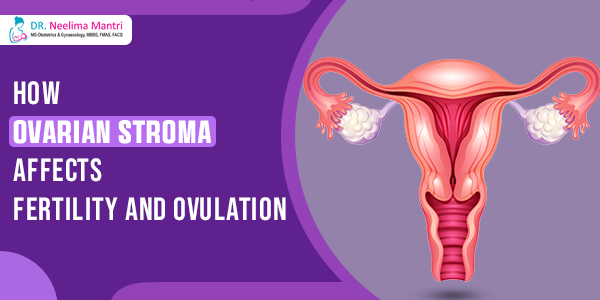
This is where discussions about ovarian stroma and fertility usually begin.
What Surprises Many Women During Fertility Assessments
During fertility evaluations, doctors examine much more than hormone reports. Ultrasound scans often provide valuable information about how the ovaries appear and function.
Patients are sometimes surprised when doctors discuss the tissue surrounding the follicles rather than focusing only on the eggs themselves. The reason is simple. The ovary functions as a complete system. When one area is affected, other processes may also be influenced.
That is one reason fertility specialists continue paying attention to ovarian structure during assessments.
Ovulation Involves More Than Most People Realise
When people hear the word ovulation, they usually think about the release of an egg. While that is true, several events take place before that moment arrives.
Follicles develop over time. Hormonal signals guide different stages of growth. Various parts of the ovary work together throughout the cycle. The role of ovarian stroma in ovulation becomes relevant because it forms part of the environment where these changes occur.
When that environment is not functioning as expected, ovulation may not follow its usual pattern.
How Ovarian Stroma Affects Fertility
Women often search online for the most common causes of infertility in women, expecting to find a single explanation. Fertility rarely works that way.
In many cases, several factors contribute together. Changes within ovarian tissue may influence follicle development and ovarian activity. This is one reason doctors continue studying how ovarian stroma affects fertility and why ovarian assessments remain an important part of fertility investigations.
For some women, understanding this connection provides answers that previously seemed difficult to find.
The Conversation Around PCOS
This is not to say that all women with PCOS will have fertility problems. It merely points out the importance of individualised assessment. Each patient comes with a unique medical history, unique symptoms, and unique reproductive objectives.
When Do You Think You Need Help?
Most women put off the need to consult due to the hope that things will work out on their own. Although patience is quite reasonable, there are cases that should be handled by professionals.
- Menstrual cycles are more unpredictable.
- Regular attempts have not resulted in pregnancy.
- Ovulation appears inconsistent.
- PCOS has been previously diagnosed.
- Emotional stress is caused by fertility issues.
The next steps can be advised by a qualified female fertility specialist who can help to understand whether further examination is needed and what to do next.
The Future With Confidence
Fertility issues are usually confusing, particularly when the answer is not so evident. The ovarian stroma is a term that most women might not come across in their daily lives, but it is a part of the bigger picture of reproductive health. Females who want professional advice, customised treatment, and the right infertility treatment in women may refer to Dr. Neelima Mantri, who is regarded by numerous patients as the best fertility doctor in Mumbai. A fertility consultation frequently includes discussions about polycystic ovary syndrome. Women diagnosed with PCOS and ovarian stromal changes often learn that ovarian appearance can differ from person to person.-
by Dr Neelima Mantri | May 19, 2026 | Blog, Gynecologist
Most women have heard the term cervical cancer before. Still, when the conversation actually begins, confusion usually follows almost immediately. Some believe it only affects older women. Others assume serious symptoms will appear early enough to warn them. Sadly, many women continue carrying these ideas for years without realising how misleading they can be.
The difficult part is that cervical cancer rarely becomes part of normal health discussions at home. People speak openly about fever, diabetes, or blood pressure, but conversations around women’s reproductive health still become uncomfortable very quickly. That silence often creates unnecessary fear and hesitation around testing.
Learning basic cervical cancer awareness facts can genuinely help women feel more confident about their health instead of depending on rumours or internet assumptions.
Myth 1: Younger Women Do Not Need To Think About Cervical Cancer
This is probably one of the most repeated misconceptions. Many women believe cervical cancer becomes a concern only after reaching a certain age. Because of this, younger women often postpone screenings for years.
Doctors regularly see cervical changes developing much earlier than people expect. The condition may take time to progress, but that does not mean younger women are automatically safe from risk. This is exactly why routine Pap smears and HPV screenings matter even during earlier adult years.
Several doctors sharing cervical cancer awareness tips for women now focus heavily on encouraging preventive testing before symptoms begin interfering with daily life.
Myth 2: Serious Symptoms Always Appear In The Beginning
A large number of women expect intense pain or major bleeding if something serious is happening internally. Real situations are often far less obvious.
Early cervical cancer may stay silent for quite some time. Some women notice mild spotting between periods, unusual discharge, or slight pelvic discomfort. Since these symptoms appear manageable initially, they are often ignored or blamed on stress and hormonal changes.
Regular visits with experienced obstetricians and gynecologists in Mumbai can help identify these concerns much earlier, before they become more difficult to manage.
Myth 3: HPV Means Cervical Cancer Is Guaranteed
Hearing about HPV can make women panic immediately. Many begin imagining the worst possible outcome after hearing the diagnosis.
The truth is more reassuring than most people realise. HPV infections are fairly common, and many disappear naturally without creating long-term complications. Certain high-risk infections may increase future cervical cancer risk, but that does not mean cancer becomes unavoidable.
Understanding these smaller medical details is important because accurate information reduces unnecessary fear. Among the most misunderstood cervical cancer awareness facts, this one probably creates the most anxiety.
Myth 4: Family History Is The Only Major Risk Factor
Many women assume they are completely safe because nobody in their family has experienced cervical cancer before. That belief can sometimes create a false sense of comfort.
Cervical cancer risk depends on several factors beyond family history alone. HPV infection, smoking habits, delayed screenings, weakened immunity, and untreated cervical abnormalities may also contribute over time.
This is why doctors continue discussing lifestyle habits while sharing practical cervical cancer awareness tips for women during regular consultations.
Myth 5: Cervical Cancer Cannot Be Prevented
Some women become so frightened by the word cancer that they assume prevention is impossible. Thankfully, cervical cancer is one condition where early medical attention makes a major difference.
HPV vaccination, routine Pap tests, timely follow-ups, and regular gynecological examinations can lower the risk significantly. Preventive care gives doctors the opportunity to identify abnormal changes before they progress further.
Most experienced specialists and every trusted top gynecologist in Mumbai strongly encourage women not to delay routine screenings even when they feel perfectly healthy.
Myth 6: Pap Smear Testing Is Extremely Painful
Fear around Pap smear testing still stops many women from scheduling appointments. Usually, these fears come from exaggerated stories shared by others.
In reality, the procedure is fairly quick and medically routine. Other women might experience some discomfort in the short run, but the procedure normally takes a few minutes. The short-term inconvenience is insignificant in comparison with the price of early diagnosis and tranquility.
Most of the trusted obstetricians and gynecologists in Mumbai now take additional time to make patients feel at ease before examinations since emotional reassurance is as important as medical advice.
The discussion of cervical cancer cannot be initiated when the symptoms are hard to overlook. Education, frequent check-ups, and early medical counseling can usually assist women to safeguard their reproductive health in the long term in a far better way. Dr. Neelima Mantri is still helping women in Mumbai with her skilled gynecological services, preventive care, and individualised care for complex women’s health issues.
Page 2 of 66«12345...102030...»Last »