by Dr Neelima Mantri | Jul 14, 2025 | Blog, Female Gynaecologist
Uterine prolapse occurs when the uterus descends into the vagina. People are more likely to think that it is more common than they think. It may lead to pain, congestion, and urinary problems. In other women, it influences their day-to-day life. Surgery is the next option when exercises and support devices fail to work.
In case you are thinking of undergoing uterine prolapse surgery, this is what you should know. Being aware of your choices, the process of recovery, and what occurs during surgery can help you make the decision easier.
When Is Surgery Needed for Uterine Prolapse?
Mild prolapse does not require surgery. Vaginal pessaries and pelvic floor exercises can be useful. However, in case of continuous worsening of the symptoms, or when the uterus bulges out, surgery is the most appropriate. Women with difficulty in walking, lifting or emptying their bladder comfortably usually opt to have surgery. It aids the recovery of pelvic functioning and enhances the quality of life.
Types of Uterine Prolapse Surgery
There is no single method. The right option depends on your age, health, and whether you wish to keep your uterus. One method is vaginal hysterectomy. This involves removing the uterus through the vagina. It is one of the most common approaches for severe prolapse. Another option is uterine suspension. This restores the uterus to its original position using surgical mesh or your own tissue. This can be done through the vagina or by laparoscopy.
Both methods are effective. The choice depends on your condition and your goals. If you want to preserve your uterus, suspension might be advised. If you’re past childbearing and want long-term relief, hysterectomy is often suggested. If you’re exploring uterine prolapse surgery in Mumbai, ask your doctor about both options. A good gynaecologist will explain the pros and cons clearly.
How Successful Is Uterine Prolapse Surgery?
You may ask, How successful is uterine prolapse surgery? The answer is reassuring. Most women feel better soon after surgery. They notice less pressure. Urinary symptoms improve. Walking and daily activities become easier.
The success rate is high. Around 85 to 90 per cent of women see a clear improvement. For long-term results, it is important to follow post-surgery care instructions. Pelvic floor exercises remain useful even after surgery.
Is Uterine Prolapse Surgery Painful?
Pain is a common concern. You may wonder, Is uterine prolapse surgery painful? The procedure is done under anaesthesia. You will not feel anything during the operation.
After surgery, some discomfort is expected. Pain is managed with medicine. Most women stay in the hospital for one or two days. They walk slowly within 24 hours. Full recovery takes four to six weeks. Each week feels better than the last. You will be asked to avoid lifting, bending, and straining for a while. Sexual activity is paused during healing. Your doctor will give clear do’s and don’ts to follow at home.
Choose the Right Specialist
Surgery is only part of the process. Choosing the right doctor matters. You need someone who explains the procedure. Someone who supports you through recovery. Someone who takes time to listen. If you are looking for the best gynaecologist in Mumbai for prolapse treatment, consider Dr. Neelima Mantri.
She is known for her patient-first approach. She offers both surgical and non-surgical care, depending on what suits you best. Her team ensures a smooth experience, from consultation to follow-up. Women across Mumbai trust her for gynaecological issues, including prolapse care.
Make an Informed Decision
Surgery sounds big. But when done for the right reason, by the right doctor, it brings lasting relief. Ask questions. Understand your body. Know your options. Prolapse may feel overwhelming, but it can be fixed. The goal is to help you move freely, live confidently, and feel normal again. If you are ready to explore treatment, talk to a specialist today. Your next chapter starts with the right care.

by Dr Neelima Mantri | Jun 17, 2025 | Blog, Female Gynaecologist
Many women experience irregular periods at some point, leaving them wondering: what causes irregular menstruation, and is there anything they can do about it? The good news is that diet and lifestyle play a big role in menstrual health, and with the right adjustments, you can often help bring your cycle back on track. Let’s explore how.
What Causes Irregular Menstruation?
You should know what causes your periods to be irregular before making any changes. Some common causes are hormonal changes, stress, fast changes in weight, doing too much exercise, PCOS, issues with the thyroid or taking certain medications. Poor sleep or a bad diet can sometimes interfere with your body’s natural cycle.
When you know what causes irregular menstruation, you can start treating the problem itself, not just the symptoms. That’s where what you eat and how you live come into play.
Can diet help fix irregular periods?
It’s possible that you may ask if changing your diet can help your irregular periods. Absolutely. Your hormones, metabolism and reproductive health are all affected by your food choices. Eating more whole foods, fruits, vegetables, lean proteins, and healthy fats may naturally regulate your hormones.
Eating fewer processed foods, less sugar, and less caffeine may improve your sleep. Spinach, lentils and red meat are good to eat if you have heavy bleeding during irregular periods. In fact, following the right diet can help with irregular periods. It may assist your body’s natural cycle and help you stay regular over the long term.
Small Changes That Can Bring Big Results
Along with diet, making other lifestyle changes is very important. By practising yoga, meditating or engaging in mild exercise, you can lower the hormonal changes brought on by high cortisol. It’s important to get enough rest, keep your weight healthy and avoid extreme changes in your diet or exercise.
A regular walk every day is good for your blood and general health. Combining these changes with a healthy diet can help your periods become more regular.
How to Know When You Should See a Professional
Though diet and lifestyle changes work for several women, there are times when you should see a doctor. If your irregular periods do not improve, it’s important to see the best female gynaecologist in Mumbai. A competent doctor may discover if PCOS, thyroid problems or issues with reproductive health are present.
When you require Irregular Period Treatment Mumbai 10, a good gynaecologist will offer personal advice, correct diagnosis and a treatment plan that suits your body.
Your Partner in Women’s Health
If you’re having trouble with your menstrual cycle or need advice, Dr Neelima Mantri, a top Gynecologist In Mumbai, can assist you. She provides women in Mumbai with understanding and expert treatment for menstruation problems, hormone problems and reproductive health issues. To get the best irregular period treatment in Mumbai 10, make an appointment with Dr Neelima Mantri and begin your journey to a regular and healthy cycle.

by Dr Neelima Mantri | Jun 13, 2025 | Blog, Female Gynaecologist
It is still a moment of severe stress for every woman that they might develop hypertension and diabetes during pregnancy. While the worry is understandable, one must also be aware that these are two of the most common temporary conditions that happen.
That said, it is always important to note that without proper care, they may pose risks to the health of both mother and baby. But with proactive management, pregnant women can seamlessly wade through these problems and have healthy pregnancies and deliveries.
So, what causes hypertension and diabetes to develop in pregnant women? How can they impact the health of the baby? What measures should the mother take to reduce these risks?
With inputs from the best lady gynaecologist in Mumbai, Dr. Neelima Mantri, let us help you find answers to these questions in this blog today:
Hypertension and Diabetes in Pregnancy: What Causes Them?
Pre-existing hypertension in women, underlying health conditions like obesity, diabetes, and advanced maternal age are some of the most common reasons why many women tend to develop hypertension during pregnancy. In addition to these, placental factors that lead to issues with blood vessel function, first-time pregnancy, or multiple gestation (twins or more) may also increase the chance of developing high blood pressure.
- Similar to hypertension, diabetes also tends to develop in pregnancy. Women with pre-existing Type 1 or Type 2 diabetes are at higher risk. In addition to pre-existing conditions, hormonal changes, pancreatic strain, obesity, PCOS, or a family history of diabetes can also cause gestational diabetes in pregnancy.
Any woman with these conditions stands a high chance of developing hypertension and diabetes during pregnancy.
How Does Hypertension Affect Pregnancy?
- For the mother, severe forms of high blood pressure may increase the risk of organ damage, seizures, and stroke, which can be life-threatening. Placental abruption, where the placenta detaches from the uterus wall prematurely, leads to preterm births and increased need for C-section, these are some of the other problems a pregnant woman with untreated hypertension may face.
- High blood pressure can also affect the baby by limiting the baby’s growth, leading to low birth weight, preterm birth, or even stillbirth in some cases.
What Are the Risks of Diabetes During Pregnancy?
- Diabetes in pregnant women can increase the chance of developing hypertensive disorders. It can raise the risk of infections and preterm labor and also increase the future risk of developing Type 2 diabetes for both mother and child.
- But most commonly, in pregnant women, diabetes leads to macrosomia, where the baby grows excessively large which tends to cause delivery difficulties and a higher need for a C-section.
- Macrosomia can also impact the baby’s health by increasing the risk of shoulder dystocia, birth trauma, breathing problems, congenital disabilities, stillbirth, and increased chances of developing obesity and Type 2 diabetes later in life.
“Breathing problems, congenital disabilities, stillbirths, and increased risk of diabetes in the baby later in life are other common complications seen when diabetes during pregnancy is not effectively controlled,” says a leading female gynaecologist in Mumbai, Dr. Neelima Mantri.
So, is pregnancy safe with diabetes and high blood pressure? The hypertension and diabetes can impact health of both mother and baby and when left unmanaged, they can cause serious problems. But with right treatment, care and prevention strategies, it is possible to make pregnancy safe for women with these conditions.
What Steps Should Pregnant Women Take to Reduce the Risks?
Managing these conditions proactively is crucial to prevent potential health risks to both the mother and baby. According to gynaecologist Dr. Neelima Mantri, here are the key steps that can help:
- Preconception Counseling
Women with chronic hypertension or diabetes need to consult a doctor before conceiving. This helps assess health status, make medication adjustments, and manage blood pressure and sugar levels before pregnancy.
2. Healthy Lifestyle Choices
Balanced diets, personalized according to pre-existing conditions, along with regular physical activity such as walking or yoga, help maintain weight, blood pressure, and blood sugar levels. These are found to significantly reduce the risk of hypertension and diabetes in pregnant women.
3. Self-Monitoring & Medication Adherence
Pregnant women must regularly monitor blood sugar and pressure levels themselves and adhere to prescribed medications exactly as directed by their doctor.
4. Foetal Monitoring
Ultrasound scans and foetal assessment tests (like non-stress tests or biophysical profiles) to monitor the baby’s growth and well-being should be done regularly to ensure optimal fetal health.
By taking the above proactive steps and working closely with qualified and experienced healthcare teams, any woman with hypertension or diabetes can significantly reduce her risk and increase the chances of a healthy pregnancy and delivery.
If you are in or around Mumbai and are seeking personalized counseling, guidance, and support to reduce the risk of these conditions and increase your chances of a healthy pregnancy, gynaecologist Dr. Neelima Mantri is here to help. You can contact her here.

by Dr Neelima Mantri | Apr 24, 2025 | Blog, Female Gynaecologist
When it comes to women’s health, cervical care often doesn’t get the attention it deserves—until there’s a problem. But what if just one test and one vaccine could help you avoid most of those problems altogether? Sounds simple, right? That’s where regular Pap smears and the HPV vaccine come in. These two tools are powerful, preventative steps that every woman should understand and embrace.
Understanding Cervical Health Starts with Awareness
The cervix is an important part of the female reproductive system. It is the starting point of life, and regrettably, it is also the place where infections and cancers can develop secretly. Most women do not have any symptoms of cervical infection at all, or the symptoms are not noticeable until the problem escalates. That is why preventive care is mandatory.
The Role of the Pap Smear Test
If you have ever asked yourself when is the best time to get a Pap smear test, the answer is that it is appropriate to start at the age of 21 and repeat the test every 3–5 years. A Pap smear is a test that is used to identify abnormal cells in the cervix before they develop into cancerous cells. It is fast, does not involve any form of incision, and can be the difference between life and death.
It is said to be uncomfortable by some, awkward by others, and simply not a priority for many women. But here is the reality: a few minutes of awkwardness are worth the relief of being asymptomatic or having a disease detected in its preliminary stages.
What About HPV?
HPV is one of the most common sexually transmitted diseases that can lead to cervical cancer. HPV is very common, and most women will be exposed to it at some point in their lifetime, but the infection usually goes away on its own. However, some of the strains are risky and may cause complications in the cervix.
The best age for HPV vaccine is between 9 and 14 years of age, preferably before the onset of the first sexual intercourse. However, it does not mean that if you are older, it is too late to do something. People up to the age of 26 years should also get the vaccine. It is a way of ensuring that you do not have to spend a lot of money on your health in the future.
Recognising Cervical Infection Symptoms
Most women ignore cervical infection symptoms as they assume it is normal to experience changes in their menstrual cycle or due to stress. However, any abnormal discharge, pelvic pain, pain during intercourse, or bleeding between the periods should not be overlooked. These could be early warning signs. Pay attention to your body; it has a way of communicating before a crisis occurs.
When Should You Get Tested?
Here are some quick tips if you are wondering the best time to get a Pap smear test:
- After three years of becoming sexually active
- For women in the age group of 21-29 years, the examination is conducted every three years.
- For women aged 30-65 years, a cervical smear test is recommended every five years in addition to the HPV test.
- After any abnormal bleeding or discharge
- As advised by your gynaecologist
Choosing the Right Care
It is always important to have the right doctor. Whether you are not sure whether a certain symptom is normal, it is time for your Pap smear, or you are wondering when you should get the HPV vaccine, consultation with the best lady gynaecologist in Mumbai will help to remove the fear and confusion.
A person who listens to you and shows that they care is something that is needed—because cervical care is not only medical, it is personal. Your health journey should be managed professionally and with understanding.
In Conclusion
Cervical health is not something that one should neglect. Pap smears, when to get vaccinated, and early signs of cervical infection are some of the most important aspects of every woman’s life.
If you are looking for a lady gynaecologist in Mumbai who is professional, empathetic, and experienced, then you should consult Dr. Neelima Mantri. It is time to stop waiting for the symptoms to appear. Let’s begin to lead the change – one test, one vaccine, one conversation at a time.

by Dr Neelima Mantri | Apr 10, 2025 | Blog, Female Gynaecologist
Many individuals undergoing surgery related to reproductive organs often wonder about their chances of conceiving in the future. Whether it’s a procedure for fibroids, endometriosis, ovarian cysts, or even a caesarean section, surgery can raise concerns about long-term fertility. The good news is that many people do go on to have successful pregnancies after surgery.
However, it depends on several factors including the type of surgery, the condition being treated, and individual reproductive health. Knowledge of how surgery affects fertility is useful in managing expectations and finding the best way toward conception.
Types of Surgeries That Affect Fertility
It is important to note that not all surgeries are equal in terms of their effects on the reproductive health of women. Some of the minor surgeries like diagnostic laparoscopy or removal of cysts that are small in size may not cause much impact. However, surgeries that involve the uterus, fallopian tubes, or ovaries are likely to affect fertility in some way.
For instance, operations that involve the cutting out of fibroids (myomectomy) can enhance fertility if the fibroids are hindering implantation. However, if the surgery leads to scarring or makes the wall of the uterus thin, then it may be dangerous during subsequent pregnancies. Likewise, surgeries on the fallopian tubes may enhance the possibility of natural conception, but at the same time may lead to blockage or harm in the event of surgery.
How Surgery Can Affect Reproductive Function
Surgery can have an impact on fertility positively or negatively. It is often done to fix an issue that was causing infertility in the first instance. Surgery may help in clearing blockages, treating infections, or correcting organ dysfunction, which may enhance fertility.
Nevertheless, there is a possibility of forming scar tissue, called adhesions, which may alter the mobility and function of reproductive organs. If the adhesions develop around the fallopian tubes or ovaries, they can block the release of eggs or prevent fertilisation. In such circumstances, it is advisable to consult an infertility doctor in Mumbai to determine the severity of the problem and the available fertility-friendly measures.
When to Try for Pregnancy After Surgery
It is therefore important to know when to attempt conception after surgery. The body requires time to heal before it is ready to carry a pregnancy, as it is a delicate process. In general, it is advised that women should wait for a few months after the surgery to attempt to conceive, especially if the surgery is complex or if the area of the body that was operated on is related to conception.
A complete check may be carried out to check on the functioning of the uterus, ovaries, and other related organs. The hormone levels, ovulation cycles, and general reproductive health are checked before one is cleared to start trying for pregnancy. Any woman who is planning for pregnancy after surgery should seek the services of the best gynaecologist in Mumbai to advise on the best post-surgery fertility plan that will suit the woman.
Fertility Support and Specialist Care
If conception does not take place after several months of trying, it is advisable to seek a fertility assessment. This may involve blood tests, ultrasound, and in some cases other tests to check on the quality of the eggs, ovulation, and the reproductive organs.
In such cases, consultation with the best obstetrician in Mumbai or fertility specialists can help clear the confusion. If natural methods do not help to conceive, other options like ART, hormone therapy, or surgery to fix complications arising from previous surgery may be used.
Fertility after surgery is a process that is unique to every woman. Some women get pregnant without any help after surgery, while others may need some assistance. In this way, the procedures that affect reproductive health can be better understood.
Moreover, with the help of the best gynaecologist in Mumbai or an infertility specialist in Mumbai, one can make the right decision about having a baby. It is, however, important to note that pregnancy after surgery is not only possible but can be quite successful if the woman takes good care of herself and is patient.
Pregnancy After Reproductive Surgery
Surgery involving the reproductive organs can raise many questions about future fertility. Most patients want clear answers. Can they get pregnant again? Is there a waiting period after surgery? Will they need assisted reproductive treatments? The concerns are valid!
Surgery may address medical issues, but its effect on fertility depends on several factors, like the complexity of surgery and the patient’s overall reproductive health. Join us as we analyse how different types of gynaecological surgeries influence fertility and what steps may help in
planning a pregnancy afterward.
Fertility After Fibroid Removal Surgery:
Fibroids are common growths in the uterus. In some cases, they cause pain, heavy bleeding, or interfere with conception. Surgical removal of fibroids is known as myomectomy. The surgery is usually performed when fibroids affect the shape of the uterus [or block the fallopian tubes].
Many women conceive successfully after fibroid surgery. The outcome depends on where the fibroids were located and how much of the uterine wall was involved. Recovery time is important. The uterus must heal properly before it can carry a pregnancy. Patients are usually advised to wait for a few months. During this time, the uterine lining regains strength. In most cases, fertility improves once normal anatomy is restored.
Chances Of Pregnancy After Ovarian Cyst Surgery:
Ovarian cysts can form for several reasons. Most are harmless. Some, however, grow large or become painful. If a cyst does not resolve on its own, surgery may be recommended. When only the cyst is removed and the ovary is preserved, the impact on fertility is low. But if part of the ovary has to be removed, the number of available eggs may decrease.
This is called a drop in ovarian reserve. After recovery, many women ovulate normally and can conceive without assistance. Others may benefit from fertility testing. If the ovarian function is affected, early planning becomes important.
Fertility After Endometriosis Surgery
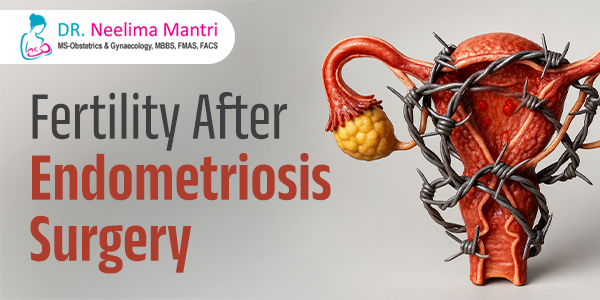
Endometriosis is experienced when tissue similar to the uterine lining grows outside the uterus. It often causes pain and can interfere with fertility. Surgical treatment helps remove the abnormal tissue and clear adhesions.
For mild or moderate endometriosis, surgery can improve the chances of natural conception. In severe cases, where organs are stuck together, results vary. The goal of surgery is to restore pelvic anatomy. Even after surgery, ongoing management may be needed. Pain relief does not always mean fertility improvement. That is why regular follow-up is essential.
Fertility Recovery Post-Surgery:
After any reproductive surgery, the body needs time to recover. The uterus, ovaries, or tubes must regain normal function. Doctors usually advise waiting before trying to conceive. This period allows healing and reduces the risk of complications.
Blood tests and scans may be used to check recovery. Some women may need support from the best gynaecologist in Mumbai or a specialist who can guide them through the next steps. Fertility outcomes are better when surgery is followed by the right medical advice.
Fertility Specialist Mumbai
Each patient has a unique recovery journey. Seeing the best obstetrician in Mumbai can help assess readiness for pregnancy. Patients who face delays should consult the best lady gynaecologist in Mumbai, such as Dr Neelima Mantri, for further evaluation.
If natural conception does not occur, an infertility specialist in Mumbai may suggest fertility preservation or assisted treatments. These options depend on how the surgery has affected egg reserve, fallopian tubes, or uterine lining.
Pregnancy after reproductive surgery is possible, but planning matters. With the right treatment and follow-up, many patients go on to have healthy pregnancies. Timing, testing, and medical support make all the difference.

by Dr Neelima Mantri | Mar 13, 2025 | Blog, Female Gynaecologist
One of the most important decisions that any expectant mother has to make is whether to opt for a natural childbirth or a cesarean section. Even though it is normal for a woman to give birth through the vagina, a C-section may be required in some circumstances.
It is crucial to weigh the pros and cons of vaginal birth and the C-section, the risks and advantages of the procedure to make the right decision depending on the woman’s health, the baby’s well-being, and the situation.
Pros and cons of vaginal birth
Vaginal delivery is one where the baby is expelled through the birth canal, which is also known as the birth canal. It is the most common technique used in most instances, especially if there are no complications involved.
Pros of Vaginal Birth:
- Less Hospitalization– Women who give birth through vaginal delivery spend less time in the hospital as compared to those who undergo a C-section.
- Lesser Complication– Vaginal births do not require surgery like C-sections; therefore, the chances of getting an infection or blood clot are slim.
- Beneficial to the baby– The passage through the birth canal helps in the development of the lungs, and the baby is also exposed to bacteria that form immunity.
Cons of Vaginal Birth:
- Vaginal Tear– It is also important to note that the vaginal tissues may tear during the process, and this may require sutures.
- Longer Labour & Delivery Process– Labour may take hours, and this may cause the woman to get tired, and the pain may also be unbearable.
- Pelvic Floor Issues– Some of the women develop vaginal atrophy symptoms after delivery due to hormonal changes and the stretching of the tissues.
C-section risks and benefits
Cesarean section is a process of delivering the baby through incisions made on the mother’s abdomen and uterus. It is applied in cases like fetal distress, breech presentation, or any other complications in pregnancy.
Benefits of C-Section:
- Recommended by Most Surgeons– Some women opt for a C-section because they do not want to experience labour or if it is medically advisable.
- Fewer Incidences of Birth Injuries– At times, a C-section can prevent issues such as lack of oxygen or birth injuries.
- No Pelvic Floor Trauma– A cesarean section does not apply pressure on the pelvic floor muscles as is the case with normal delivery, hence minimizing the chances of urinary incontinence or severe vaginal tears.
Risks of C-Section:
- Longer Recovery– It is a surgical procedure and, therefore, takes a longer time to recover and may take about 6-8 weeks with some discomfort in movement.
- Higher Risk of Infection– The risk of infection is high at the incision site or even within the uterus.
- Placenta Issues– Women who have had a C-section are likely to have placenta issues in future pregnancies.
Postpartum Health and Recovery
In any case, the period after childbirth is important for a woman’s health and well-being. Some of the symptoms of vaginal atrophy include dryness, discomfort, and irritation that are likely to occur in women after childbirth due to hormonal changes. Vaginal atrophy is not something that should be taken lightly because it can lead to discomfort and a poor quality of life; therefore, there is treatment.
Choosing the Right Birth Method
A normal delivery or a cesarean section depends on the condition of the mother, the position of the baby, and the doctor’s recommendation. While a normal birth is preferred, a cesarean section may be necessary in some cases. It is always wise to seek the services of a good obstetrician to be advised on how to handle the situation to benefit both the mother and the baby.
To cater to the needs of women during pregnancy, delivery, and management of vaginal atrophy treatment, Dr. Neelima Mantri has provided specialized services for women. Thus, it is crucial to know the advantages and disadvantages of C-sections, as well as the process of vaginal birth, to make the right decisions for a better pregnancy and postpartum period.
Page 2 of 12«12345...10...»Last »