by Dr Neelima Mantri | Jan 12, 2026 | News and Events
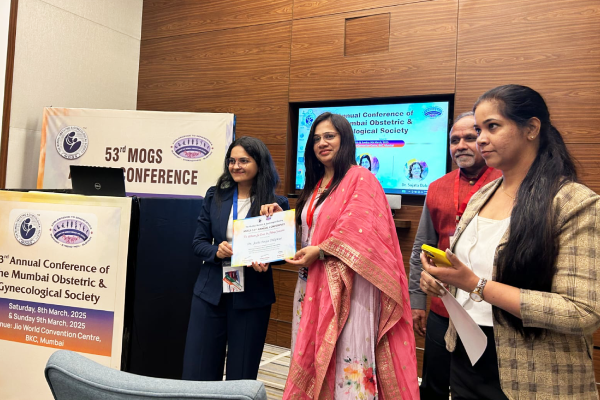
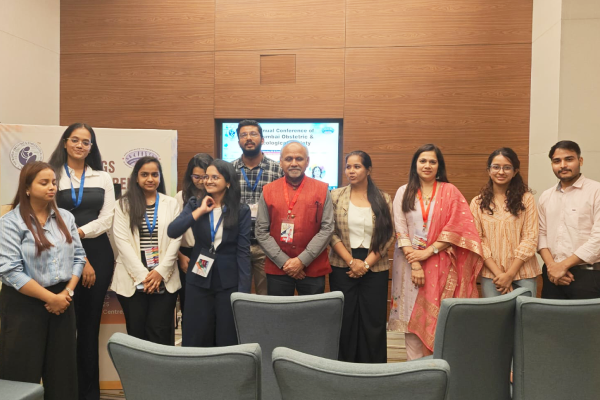
Dr. Neelima participated in the 53rd Annual Conference of the Mumbai Obstetric & Gynecological Society (MOGS), one of the most prestigious academic gatherings in the field of obstetrics and gynecology, held at the Jio World Convention Centre, Mumbai.
During the conference, Dr. Neelima was invited as a judge for a student scientific session, where she evaluated research presentations by postgraduate students and young doctors. Her role as a judge highlights her academic expertise, clinical experience, and dedication to maintaining high standards in medical education.
In addition, Dr. Neelima had the honor of awarding prizes to the session winners, recognizing and encouraging emerging talent in obstetrics and gynecology. Her presence and contribution reflect her continuous commitment to academic excellence, mentorship, and the advancement of women’s healthcare.
Participation in such national-level conferences allows Dr. Neelima to stay updated with the latest advancements in gynecology, contribute to professional knowledge sharing, and support the next generation of medical professionals.
by Dr Neelima Mantri | Jan 12, 2026 | Blog, Women Health Issues
Pregnancy is a significant development in every couple’s life. It brings joy along with unexpected complications. High blood pressure is one such complication that begins after the fifth month. This condition is called Pregnancy-Induced Hypertension [or PIH]. It often starts without warning and can affect both the mother and the baby. That is why it is important to understand how PIH begins and what early signs must not be ignored. Spotting the condition early often leads to safer outcomes for everyone involved.
What Is Pregnancy-Induced Hypertension (PIH)?
Pregnancy-Induced Hypertension is a condition where blood pressure rises after 20 weeks of gestation. It affects women who had normal blood pressure before pregnancy. The condition is different from chronic hypertension because it begins only after the pregnancy advances. If ignored, PIH may lead to complications involving the kidneys, liver and the placenta. In some cases, it may progress to preeclampsia or affect the growth of the baby.
Early Warning Signs of PIH You Should Not Ignore
The signs of PIH may not be obvious at first. Many symptoms may seem like routine discomforts of pregnancy. But certain changes must not be dismissed. The most common early warning signs of PIH in pregnancy include swelling in the face or hands, blurred vision and severe headaches. Other signs may include upper abdominal pain or sudden weight gain without changes in diet. Some women may also feel short of breath or pass less urine than usual.
Risk Factors That Increase the Chances of PIH
Not all women face the same risk of developing PIH. Some are more prone due to health conditions or previous pregnancy issues. Carrying twins or being over the age of 35 raises the chances. First-time mothers are also more likely to develop this condition.
Medical history plays a strong role. Women with diabetes along with kidney disease and autoimmune disorders are at higher risk. If a close family member has faced PIH in the past, then extra care is advised throughout the pregnancy.
When to Seek Medical Help for High Blood Pressure in Pregnancy
High blood pressure should never be ignored during pregnancy. Medical attention becomes necessary if your readings remain above 140/90 mmHg after 20 weeks. Knowing when to consult a gynaecologist for high BP can help prevent major complications.
Doctors may monitor your blood pressure and suggest extra tests to assess your kidney function, liver health and fetal growth. In some cases, pregnancy hypertension treatment may include rest along with medication and frequent follow-up visits.
Conclusion
The body often reacts before a condition becomes serious. Thus, early signs must be treated with care, not confusion. Some symptoms may seem harmless, but they might signal a larger concern. Ignoring them can delay important care and increase risk. Regular check-ups do help, but personal awareness plays an equal role in keeping pregnancy safe.
If you feel off or experience any change that does not feel normal, it is best to act early. Consulting a trusted Gynaecologist in Mumbai ensures you get the right advice without waiting too long. Dr. Neelima Mantri is widely regarded as the best female gynaecologist in Mumbai. She is known for her practical approach and ongoing guidance throughout pregnancy.
Learning about the complications of PIH helps you take control of your decisions. It prepares you to face issues with clarity instead of panic. Most women who act on time receive the care they need and go on to deliver safely. That is why awareness is not just helpful. It is essential for peace of mind.
by Dr Neelima Mantri | Dec 22, 2025 | Blog, Gynecologist
Delaying your period can feel like a simple choice when you are planning a trip, wedding, or exam schedule. Many women turn to medication for this purpose, especially if their cycle is regular but inconvenient. One such option is norethisterone. It is often prescribed to hold off menstruation for a few days or even up to two weeks. But what about the risks? Is it really safe for everyone? Join us as we debunk these fundamentals.
What Is Norethisterone and How Does It Delay Periods?
Norethisterone is a synthetic hormone that is similar to progesterone. It works by ensuring that the uterine lining continues to develop and does not come off prematurely. When taken a few days before the period is expected, this postpones the onset of the bleeding until the tablets are stopped.
The typical dosage is 5 mg taken three times a day. Most doctors suggest using it for no more than 17 days. Once you stop the medication, the period usually begins within two to three days. The method is reliable for most users and offers short-term control over timing.
Is Norethisterone Safe? Understanding Its Benefits and Common Side Effects
For many, the answer is yes! In the short term, and when properly prescribed, norethisterone usually is well tolerated. It has been used for decades and is deemed to be a practical tool to delay bleeding.
However, norethisterone’s safety for period delay must be viewed case by case. Some users report mild side effects such as nausea, headache, mood changes, and breast tenderness. In a few cases, women notice spotting or period changes in the cycle that follows.
Still, these are manageable for most. The real concern arises when norethisterone is taken by people with underlying health risks.
VTE Risk: Can Norethisterone Increase Blood Clot Formation?
One of the serious concerns is the possibility of a blood clot. This is referred to medically as venous thromboembolism (VTE). The condition can include deep vein thrombosis (usually in the leg) or pulmonary embolism (clot reaching the lungs).
The VTE risk menstrual delay pills carry is low but still important. Since norethisterone acts like progesterone, it may increase clotting tendency slightly. For someone with no other risks, this may not be a problem. But if you have a history of blood clots, obesity, recent surgery, or a strong family history, you must tell your doctor before starting the medication. Understanding the blood clot risk with norethisterone is crucial, especially in hot or long-distance travel situations where the body may already be under stress.
Who Should Avoid Norethisterone? Safer Alternatives for Period Delay
The list includes those with past clotting disorders, certain liver conditions, hormone-sensitive cancers, or unexplained vaginal bleeding. The guidance on who should not take norethisterone also applies to those with migraine with aura, poorly managed blood pressure, or active cardiovascular problems.
In such cases, other solutions may be recommended. Some oral contraceptives or IUD-based approaches may offer better control with reduced risk. Consulting a gynaecologist before using any hormonal pill for delay is essential.
Women seeking a safer option can start by speaking with experts. Many consider the best gynaecologist for menstrual issues Mumbai for personalised advice, especially before taking medication for non-medical timing reasons. Patients facing recurrent hormonal disturbances may benefit from long-term evaluation and period irregularities treatment Dr Neelima Mantri or other qualified professionals provide in major centres.
Conclusion
Delaying a period using medication can feel like a convenience, but it must be handled with care. Norethisterone is effective for many, but not risk-free. Understanding when to use it and when to skip it protects your health while giving you more control over your cycle. It is always better to choose informed care over quick fixes. Speak to a trusted gynaecologist before making any changes to your hormonal routine.
by Dr Neelima Mantri | Dec 10, 2025 | Blog, Female Gynaecologist
Fertility is shaped by many factors, but a woman’s age remains one of the most important. As the years pass, subtle changes begin to affect ovulation and reproductive capacity. These changes are biological and cannot be paused. Many women learn about them only after trying to conceive without success. That is why awareness is vital. Knowing how your age may affect fertility can help you take steps at the right time.
How a Woman’s Age Influences Ovulation
Ovulation happens when the ovaries release a mature egg. In the early twenties, most women ovulate regularly. This makes it easier to conceive during that phase of life. But as a woman moves into her thirties, hormone levels start to shift. Some cycles may not include ovulation at all, even when periods appear normal.
The ovaries begin to respond less to signals from the brain. As a result, ovulation becomes less predictable. This shift is not sudden. But it makes it harder to conceive as you grow older. Understanding how age affects ovulation and fertility in women allows you to prepare rather than panic.
Age-Related Decline in Egg Quantity and Quality
Each woman is born with a limited number of eggs. That number begins to fall right from birth. By puberty, the egg count is already lower. In the twenties and early thirties, enough good-quality eggs remain to support pregnancy.
By age 35, both egg quantity and quality drop more sharply. Older eggs are more likely to have chromosomal problems. This may result in failed implantation or miscarriage. Even if the woman is otherwise healthy, poor egg quality can reduce her chances of a full-term pregnancy. This is a natural part of female reproductive health and ageing.
Fertility Challenges After 30, 35, and 40
Fertility does not collapse overnight. But the chances of getting pregnant change with time. In the early thirties, conception may take longer. After 35, the decline becomes more visible. It may take months instead of weeks. Some women may need medical advice even if they have regular cycles.
By 40, the chances of natural pregnancy become lower. At this stage, some women also face problems like fibroids or hormonal imbalances. If you are wondering when does fertility decline in women, the answer often lies between 30 and 35. Beyond that, extra support may be necessary.
Ways to Support Fertility at Different Ages
There are steps you can take at any age. Eating well, staying active, and tracking your cycles can all make a difference. Reducing alcohol and quitting smoking can also help preserve fertility. Women above 30 should consider basic tests to assess hormone levels and egg reserve.
Those trying to conceive after 35 may benefit from speaking to a specialist. For example, a female fertility doctor in Mumbai can suggest tests or treatments. If needed, female infertility treatment in Mumbai is available for women who want to explore assisted methods. Early action gives better control.
If you are looking for practical support, start by reading fertility tips for women over 30 and create a plan that suits your body and lifestyle.
Conclusion
The best age for pregnancy depends on many things, but your body works on a natural timeline. Fertility starts to decline slowly after the age of 30 and more quickly after the age of 35. By knowing what you’re looking for, you can take steps to protect your chances. Whether through changes in your lifestyle or the advice of professionals, staying informed helps you act with confidence when the time is right.
by Dr Neelima Mantri | Nov 10, 2025 | News and Events
Event Date:
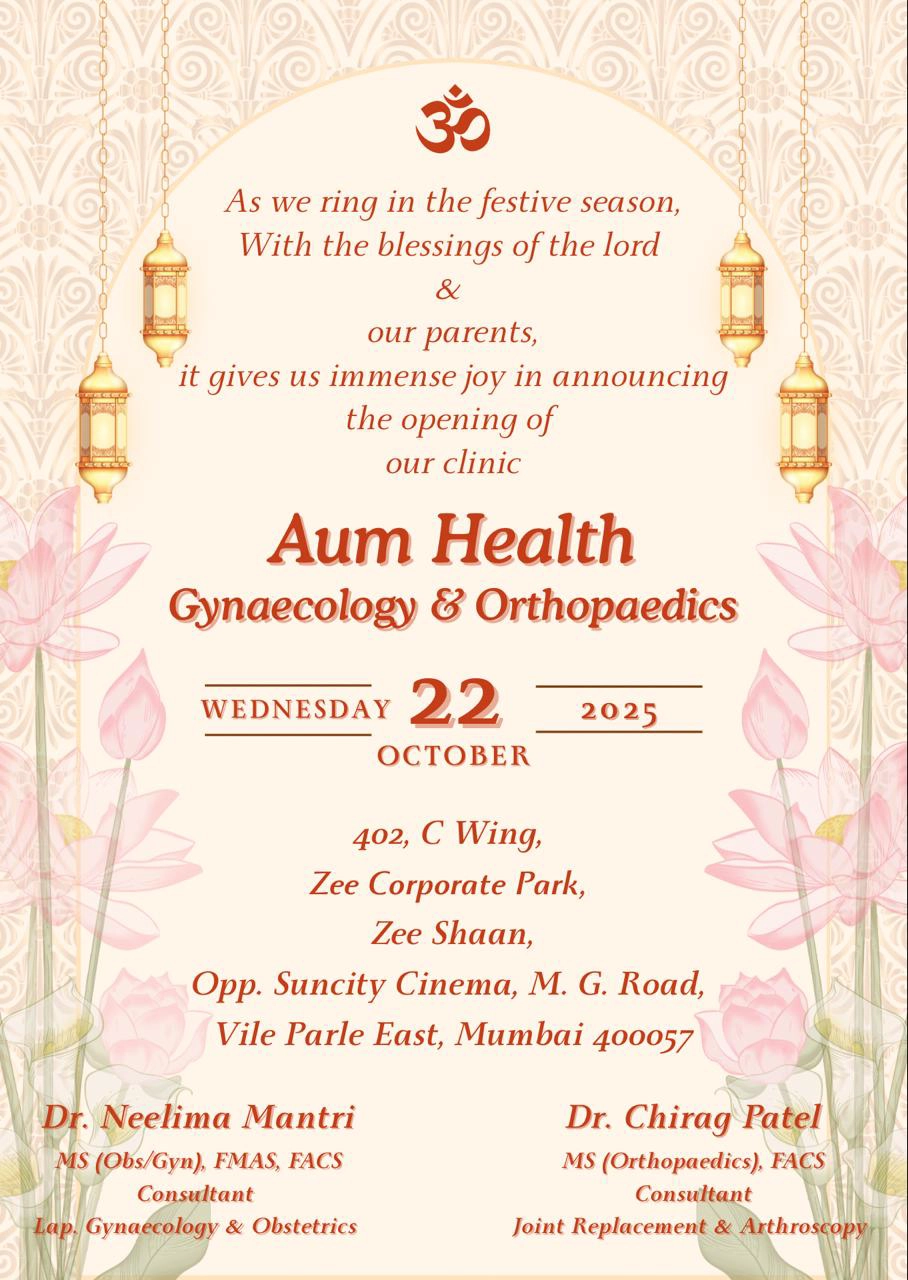
Wednesday, 22nd October 2025
As we step into the festive season with the divine blessings of the Lord and our beloved parents, it brings us immense joy to announce the grand opening of Aum Health – Gynaecology & Orthopaedics.
This new clinic marks an important milestone in our journey to provide holistic, patient-centred healthcare in the fields of Gynaecology, Obstetrics, Orthopaedics, and Joint Replacement.
We warmly invite our patients, well-wishers, and friends to be part of this new beginning and continue to support us in our mission to deliver compassionate and advanced medical care.
Location:
402, C Wing, Zee Corporate Park,
Zee Shaan, Opp. Suncity Cinema, M. G. Road,
Vile Parle East, Mumbai – 400057
Consultants:
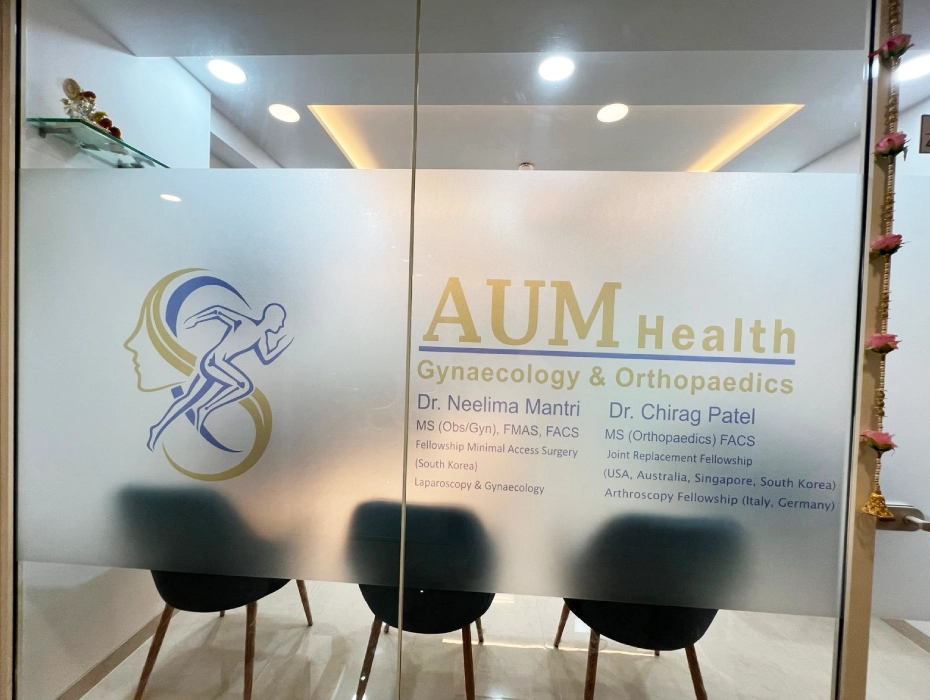
Dr. Neelima Mantri, MS (Obs/Gyn), FMAS, FACS – Consultant in Laparoscopic Gynaecology & Obstetrics
Dr. Chirag Patel, MS (Orthopaedics), FACS – Consultant in Joint Replacement & Arthroscopy
Page 2 of 62«12345...102030...»Last »