
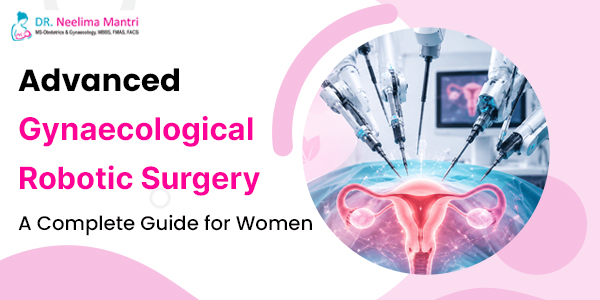
When a woman is advised to undergo gynaecological surgery, one of the first things that may come to her mind is how complex the procedure will be. Will there be a large incision? How long will recovery take? Will she need to stay in the hospital for several days? These are natural questions, especially when surgery involves the reproductive organs.
Medical technology has changed the way several gynaecological procedures can be performed. Advanced gynaecological robotic surgery is one such approach where surgeons use a robotic surgical system to perform certain minimally invasive procedures with greater control and precision.
What Is Robotic Surgery In Gynaecology?
So, what is robotic surgery in gynaecology? It does not mean that a robot independently performs the operation. The surgery is controlled by a trained surgeon throughout the procedure.
The surgeon operates from a console and controls specialised robotic instruments placed through small incisions. The system provides a magnified, three-dimensional view of the surgical area and allows the instruments to make controlled movements inside the body.
Why Is Robotic Surgery Used In Gynaecology?
The female pelvis contains several organs within a relatively small area. This can make some procedures technically challenging, particularly when precise dissection or suturing is required.
Robotic assistance can give the surgeon an enlarged view of the operating area and a wider range of instrument movement. Depending on the patient’s condition, it may be considered for procedures involving uterine fibroids, endometriosis, ovarian conditions, hysterectomy, and certain other complex gynaecological problems.
A woman considering robotic gynaecological surgery in Mumbai should first understand whether this approach is actually suitable for her diagnosis. Not every condition requires robotic surgery.
What Are The Possible Benefits?
Since robotic procedures are generally performed through small incisions, suitable patients may experience some advantages compared with traditional open surgery. These can include:
- Smaller surgical incisions
- Less blood loss in some procedures
- Reduced postoperative pain
- Shorter hospital stay in selected cases
- Faster return to routine activities
These benefits can vary according to the procedure, the patient’s health, and the complexity of the condition.
Is Robotic Gynaecological Surgery Safe?
Another common question is, is robotic gynaecological surgery safe? Like any surgery, robotic procedures have potential risks, including bleeding, infection, injury to nearby organs, anaesthesia-related complications and the possibility of conversion to another surgical approach.
Safety also depends on the type of procedure, the patient’s medical condition, and the surgeon’s training and experience. This is why a detailed medical assessment is required before choosing a surgical technique.
How Is Robotic Surgery Different From Laparoscopy?
Robotic surgery and traditional laparoscopy both require small incisions. The primary difference is in the surgeon’s perspective and control of the instruments.
During robotic surgery, the surgeon uses a console with a magnified 3D view and controls articulated instruments. Traditional laparoscopy involves the use of instruments that are manipulated by the surgeon at the operating table. Both are used depending on the procedure and medical needs of the patient.
Choosing A Robotic Gynaecological Surgeon
If you are searching for a gynaecological robotic surgeon in Mumbai, qualifications and experience with the specific procedure should be considered rather than choosing based only on the technology being offered.
Similarly, searches for a robotic gynaecologist in Mumbai or the best robotic gynaecologist in Mumbai should eventually lead to a proper consultation. Your diagnosis, medical history, previous surgeries, and treatment goals all play a role in deciding whether robotic surgery is appropriate.
Making An Informed Choice
Robotic surgery has expanded the minimally invasive options available for several gynaecological conditions, but the technology itself should never be the only reason for choosing a procedure. The right approach is the one that suits the patient’s condition and treatment needs.
Women who want to understand whether robotic surgery or another minimally invasive approach may be suitable for their condition can consult Dr Neelima Mantri, an Obstetrician, Gynaecologist and Laparoscopic Surgeon in Mumbai with over two decades of experience in obstetrics and gynaecology. A detailed consultation can help patients understand their condition, available surgical options, and the expected course of treatment.

